
 Pin it
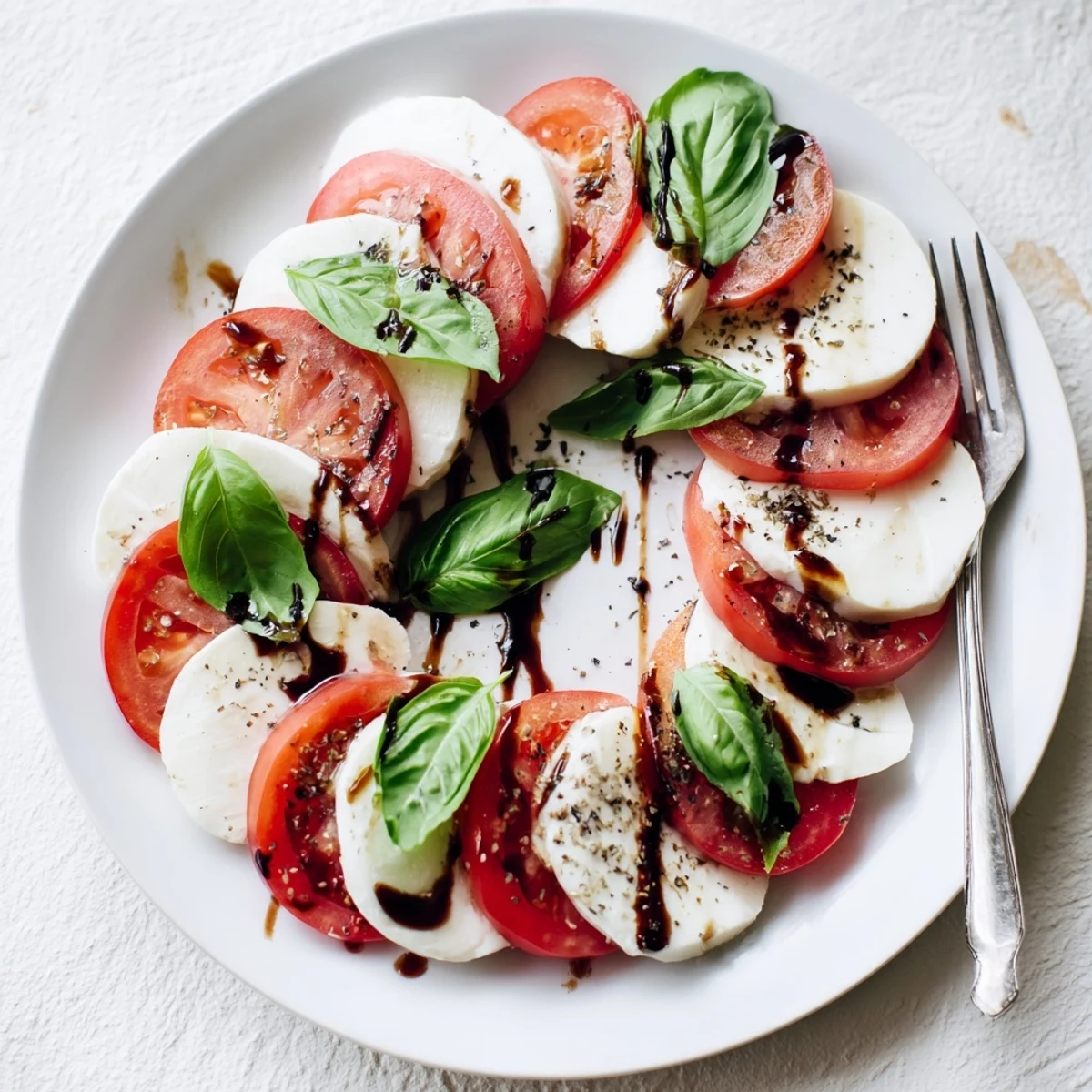
 This vibrant Caprese brings together thick slices of ripe tomato and creamy mozzarella, layered with whole basil leaves. Drizzle extra-virgin olive oil and a touch of balsamic glaze, then season with sea salt and freshly ground pepper. No cooking required — assemble on a large platter and serve at room temperature. Swap in burrata for extra creaminess or use heirloom tomatoes for more color and depth.
There is something almost unfairly simple about a Caprese salad, and yet every single time I make one, someone at the table acts like I performed a magic trick. The secret, of course, is that the trick is entirely in the ingredients, not in you. I learned this during a brutally hot July afternoon when my air conditioner had given up and the thought of turning on any appliance felt like a personal attack. Sliced tomatoes, torn mozzarella, a handful of basil from the windowsill, and dinner was saved.
I once brought a Caprese salad to a potluck where everyone else had shown up with elaborate casseroles and slow cooked braises. A friend standing next to me whispered that my platter looked too pretty to eat, and within fifteen minutes it was completely gone, wiped clean with crusty bread by three different people who swore they were not hungry.
Ingredients
- 3 large ripe tomatoes: This is not the place for the pale, firm grocery store tomatoes that taste like water. Seek out ones that yield slightly when pressed and smell like a garden at their stem end.
- 1 handful fresh basil leaves: If you grow basil on a windowsill or in a pot outside, this is its moment to shine. The leaves should be vibrant green and fragrant, not wilted or blackened at the edges.
- 250 g fresh mozzarella cheese: Fresh mozzarella sold in water or brine will always outperform the shrink wrapped block kind. Let it come to room temperature before slicing so the texture is soft and milky.
- 2 tbsp extra virgin olive oil: Use the good stuff here because there are so few ingredients and each one is fully exposed. A fruity, grassy olive oil will pull everything together beautifully.
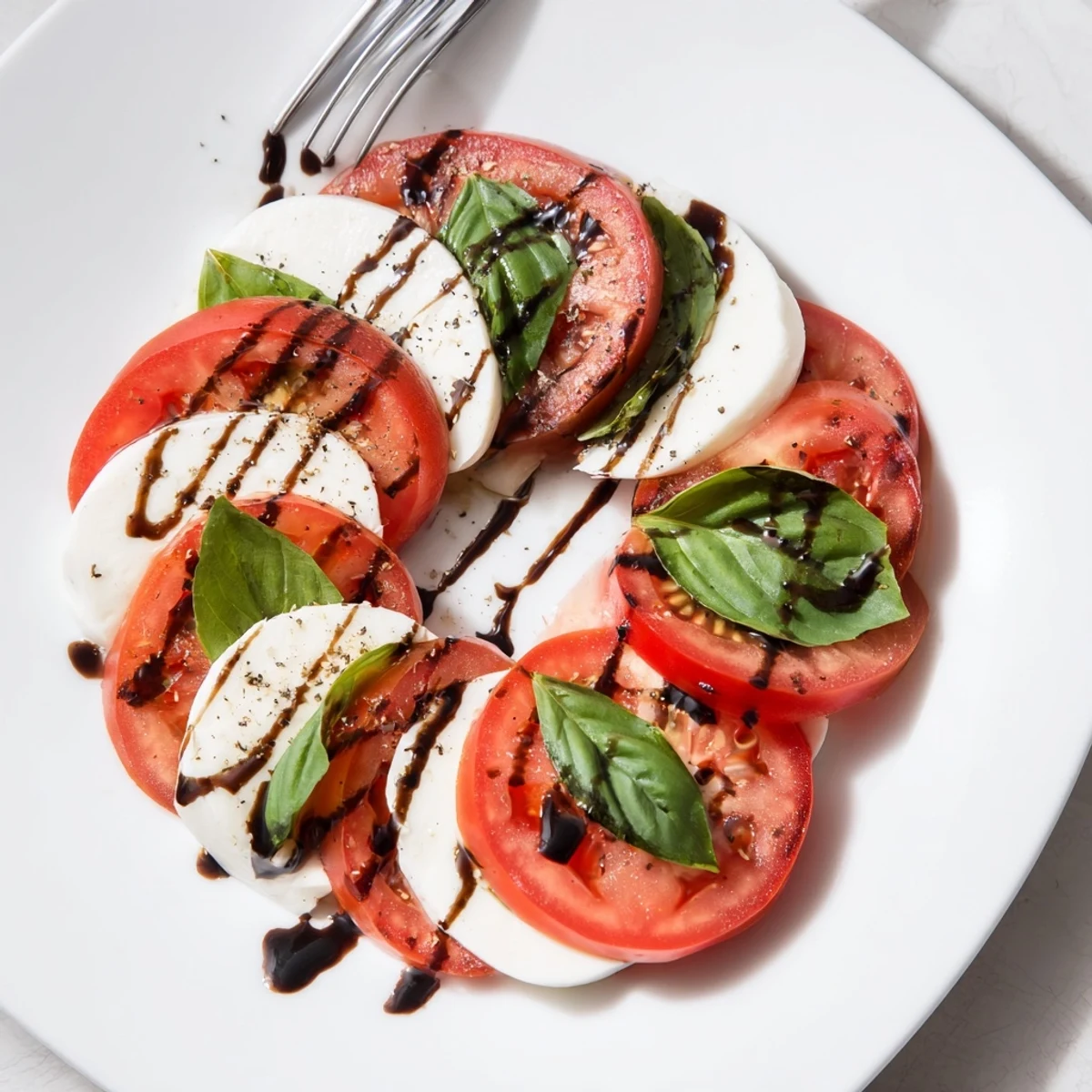
- 1 tbsp balsamic glaze (optional): A balsamic reduction adds a gentle sweetness and dramatic dark streaks across the plate. Skip it if you prefer a cleaner, purist version of the salad.
- Sea salt, to taste: Flaky sea salt dissolved slowly on a ripe tomato is one of the great small pleasures in cooking.
- Freshly ground black pepper, to taste: Freshly cracked pepper adds a subtle warmth without overwhelming the delicate flavors.
Instructions
- Slice with care:
- Cut the tomatoes and mozzarella into rounds about half a centimeter thick. Try to keep them relatively even so every bite has a balanced ratio of both. A sharp serrated knife makes this much easier on the tomatoes without crushing them.
- Build the pattern:
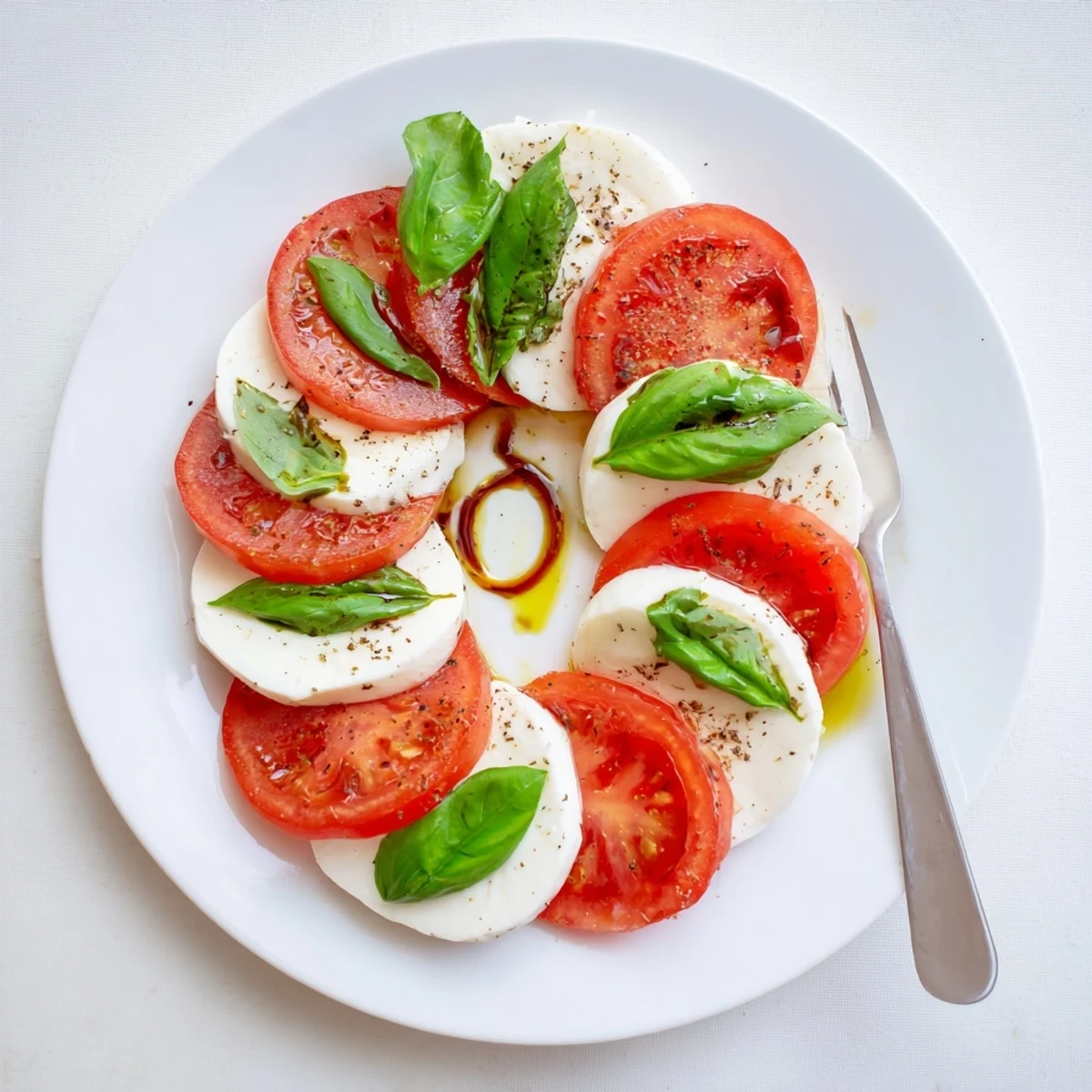
- On a large platter, lay down alternating slices of tomato and mozzarella, slightly overlapping each one like roof shingles. This overlapping is what makes the dish look generous and abundant instead of sparse.
- Tuck in the basil:
- Slide whole basil leaves between the slices here and there, letting some poke out and others curl gently against the cheese. Do not chop the basil because whole leaves look more beautiful and release their aroma more slowly.
- Drizzle the olive oil:
- Pour the olive oil in a slow, sweeping motion across the entire platter so every piece gets lightly coated. Watch how it pools slightly around the mozzarella and catches the light on the tomatoes.
- Add the balsamic glaze:
- If you are using it, drizzle the balsamic glaze in thin lines or a loose zigzag over the top. Less is more because you want a hint of sweetness, not a syrupy blanket.
- Season generously:
- Sprinkle sea salt and freshly cracked black pepper across the whole platter. Taste a tomato slice on its own first to gauge how much salt the salad needs.
- Serve right away:
- Bring the platter to the table immediately while everything is still at room temperature and the basil has not started to darken. This salad does not improve with time, so eat it in its prime.
 Pin it
 I still think about a night when I made this for just myself and a neighbor who had dropped by unexpectedly with a bottle of wine. We stood in the kitchen eating straight off the platter with our fingers, not even bothering with plates, and somehow that felt more Italian than any restaurant meal I have ever had.
Choosing the Right Tomatoes
Heirloom and multi colored tomatoes are not just prettier on the plate, they genuinely taste different from one another, and that variety makes each forkful a small surprise. If you find dark purple Cherokee tomatoes or bright yellow ones at a farmers market, mix them all together on the same platter for a salad that looks like a painting.
Switching Up the Cheese
Burrata is the most indulgent substitution you can make here. When you break it open, the creamy stracciatella center spills out over the tomatoes and creates something so rich that you will wonder why you ever bothered with anything else. Tear the outer shell gently rather than slicing it for the most dramatic presentation.
Pairing and Serving Suggestions
A chilled glass of Pinot Grigio or even sparkling water with a thick wedge of lemon turns this simple salad into a complete warm weather ritual. For a different twist, drizzle homemade pesto over the top instead of balsamic glaze.
- Crusty bread on the side is nonnegotiable because you will want to soak up every drop of olive oil and tomato juice left on the platter.
- This salad also works beautifully as a topping for grilled chicken or fish if you want to turn it into a main course.
- Always double the recipe because it disappears much faster than you expect.
 Pin it
 A great Caprese salad is really just an exercise in trusting good ingredients to do the work for you. Make it once with truly ripe tomatoes and decent mozzarella, and it will become a permanent fixture in your summer kitchen.
Recipe Questions & Answers
- → Can I prepare this in advance?
-
Assemble shortly before serving for best texture; slicing and refrigerating tomatoes and cheese briefly is fine, but wait to dress until service to avoid watery slices.
- → What cheese substitutes work well?
-
Fresh mozzarella is classic, but burrata adds a silky center. For a firmer bite, try slices of provolone or a young pecorino shaver for contrast.
- → Which tomatoes give the best flavor?
-
Ripe, in-season tomatoes are ideal. Heirloom or multi-colored varieties bring extra sweetness and visual appeal; choose firm yet yielding fruit.
- → How should it be seasoned?
-
Keep it simple: high-quality extra-virgin olive oil, a light drizzle of balsamic glaze if desired, sea salt to taste, and freshly ground black pepper to finish.
- → Can I make variations on the dressing?
-
Yes—swap balsamic glaze for aged balsamic vinegar, add a spoonful of pesto, or finish with a squeeze of lemon for brightness without overpowering the ingredients.
- → How to serve for a crowd?
-
Arrange overlapping slices on a large platter so guests can grab portions easily. Serve at room temperature alongside crusty bread or a light white wine like Pinot Grigio.