
 Pin it
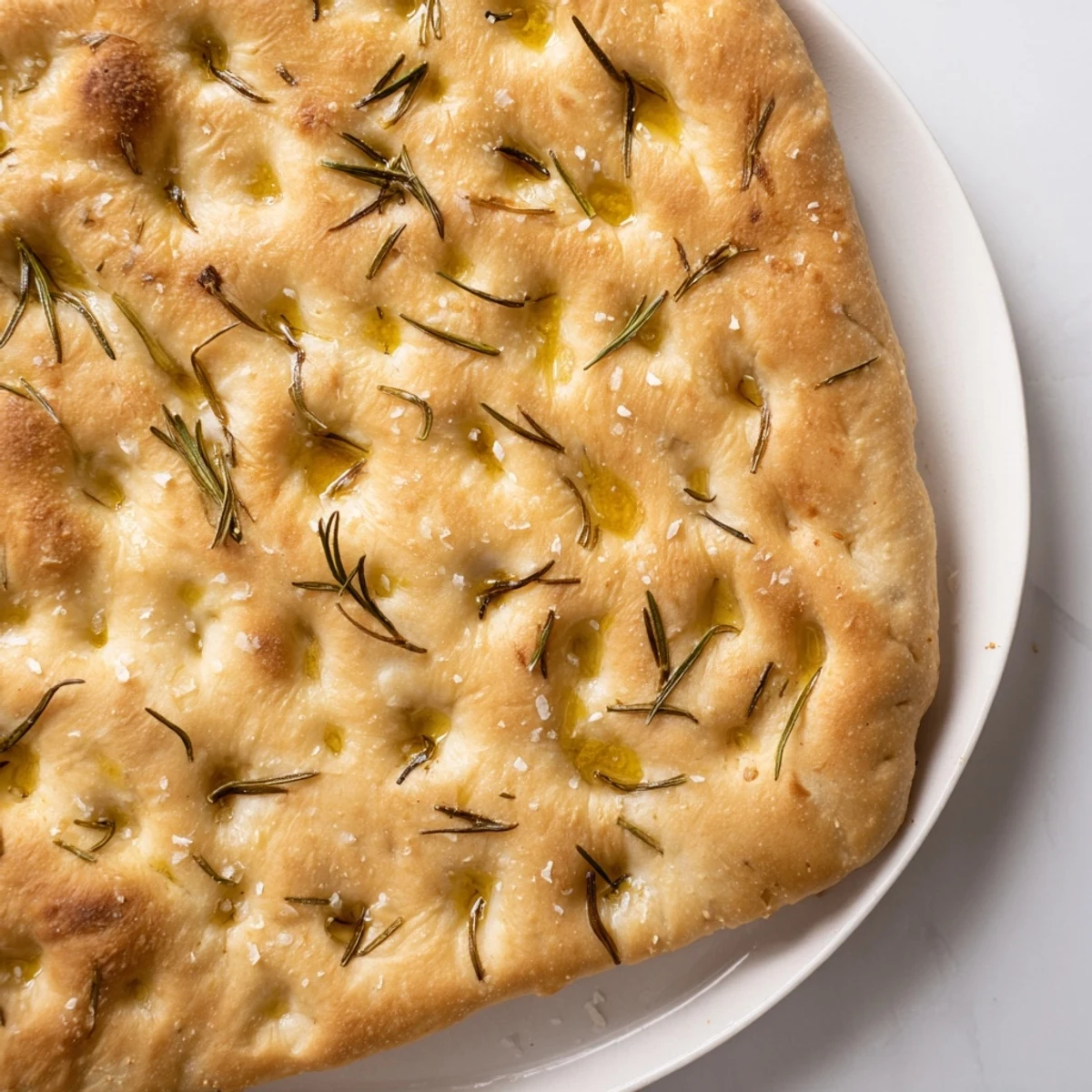
 Create an authentic Italian flatbread that's irresistibly crisp on the outside and tender within. This traditional focaccia features a bubbly dough enriched with extra virgin olive oil, topped with aromatic rosemary and flaky sea salt for that classic Mediterranean flavor.
The dough requires a simple rise, then gets dimpled by hand to create those signature pockets that trap olive oil and herbs. Bake until golden for perfect results every time.
The smell of rosemary and olive oil hitting hot dough is enough to make anyone stop whatever they are doing and drift toward the kitchen. My neighbor actually knocked on my door once asking what I was baking because the scent had traveled through the open window and down the street. Focaccia is one of those breads that seems fancy but is really just flour, water, oil, and a little patience rewarded tenfold. The dimpling, the herb sprinkling, the golden pull from the oven, it is deeply satisfying in a way that has nothing to do with skill and everything to do with willingness.
I made a tray of this for a rooftop picnic last summer and watched three people who claimed they were not hungry devour half of it before the main course even came out. There is something about tearing off warm pieces and sharing them that turns strangers into friends pretty quickly. The olives and tomatoes on top were gone first, naturally, because everyone fights over the loaded corners.
Ingredients
- Bread flour (500 g): Bread flour gives the chew that makes focaccia feel authentic, so do not swap in all purpose unless you are willing to sacrifice some of that satisfying bite.
- Salt (10 g): Salt strengthens the gluten network and balances the richness of the oil, so add it fully rather than skimping.
- Active dry yeast (7 g): One packet is all you need, and watching it bloom frothy on top of the water is your signal that everything is alive and ready.
- Lukewarm water (325 ml): Think baby bottle temperature, warm to your wrist but not hot, because scalding water kills yeast stone dead.
- Extra virgin olive oil (50 ml plus 2 tbsp for topping): This is the soul of focaccia, so use the good stuff here and do not be shy with it.
- Sugar (1 tsp): Just a teaspoon to wake the yeast up, nothing more.
- Fresh rosemary (1 tbsp chopped): Fresh rosemary perfumes the entire bread, though dried works in a pinch if you rub it between your palms first to release the oils.
- Flaky sea salt (1 and a half tsp): The crunchy salt on top is not optional, it is what makes each bite pop.
- Pitted olives or cherry tomatoes (optional): Press them into the dimples and they roast into little jewels of concentrated flavor.
Instructions
- Wake up the yeast:
- Dissolve the yeast and sugar in lukewarm water and let it sit untouched for ten minutes until the surface looks cloudy and frothy, like a tiny science experiment on your counter.
- Bring the dough together:
- Mound the flour and salt in a large bowl, carve a well in the center, and pour in the yeast mixture along with the olive oil. Stir with a wooden spoon or your hand until everything is a sticky, shaggy mess that barely holds together.
- Knead with conviction:
- Turn the dough onto a lightly floured surface and knead for eight to ten minutes, pushing and folding until it transforms from a tacky lump into something smooth, springy, and almost alive under your palms.
- Let it rise:
- Coat a bowl with oil, tuck the dough inside, drape a damp towel over the top, and walk away for about an hour until it has swelled to double its size and looks ready to burst with trapped air.
- Preheat and prepare:
- Crank the oven to 220 degrees Celsius, pour a generous puddle of olive oil onto your baking tray, and spread it around so the dough will fry slightly as it bakes.
- Stretch and dimple:
- Punch the dough down gently, transfer it to the oiled tray, and use your fingertips to press and stretch it outward, leaving deep dimples that will catch pools of oil and bits of herb.
- Dress the top:
- Brush the surface liberally with olive oil, scatter the rosemary and sea salt evenly, and press olives or tomato halves into the dough wherever you like.
- Second rise and bake:
- Let the topped dough puff up for twenty to thirty minutes, then slide it into the hot oven for twenty to twenty five minutes until the edges are deeply golden and the kitchen smells impossibly good.
- Cool and serve:
- Resist the urge to cut immediately and let it rest for just a few minutes so the crumb structure settles, then slice into squares or tear off pieces with your hands.
 Pin it
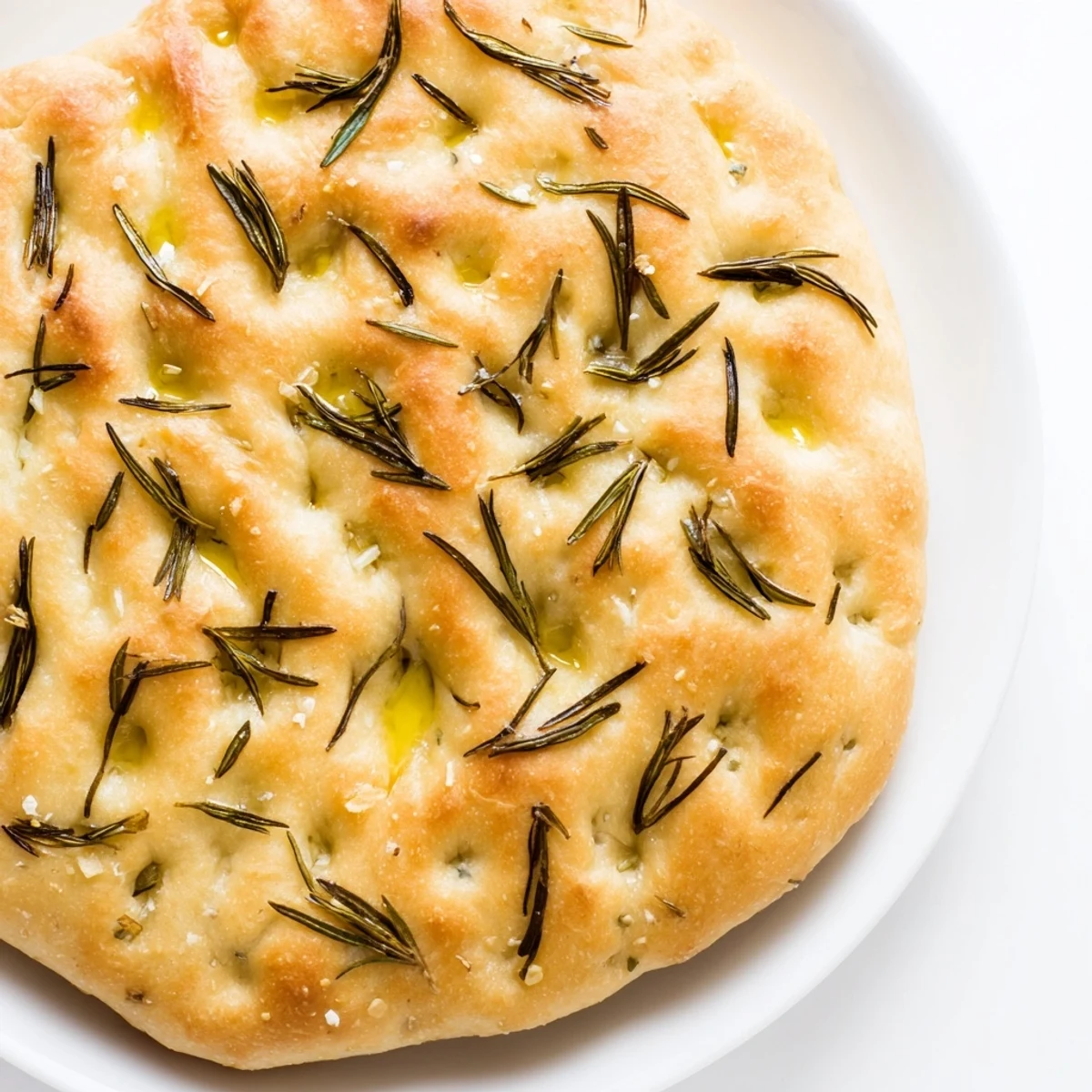
 One rainy Sunday I left a tray of focaccia cooling on the counter and returned to find my roommate had eaten an entire quadrant standing up, barely bothering with a plate. That is the kind of bread this is, the kind that erases manners.
Making It Your Own
Once you have the base dough dialed in, focaccia becomes a canvas for whatever you have on hand. Thinly sliced red onions caramelized into the top, sun dried tomatoes tucked into the dimples, or a scatter of roasted garlic cloves all work beautifully. I have even seen people press grapes into the dough before baking for a sweet and savory twist that sounds odd until you taste it.
What to Serve Alongside
Focaccia is happiest next to a bowl of soup, a plate of cured meats, or a simple green salad with a sharp vinaigrette. A chilled glass of Pinot Grigio or a light Chianti alongside turns a casual dinner into something that feels deliberate without any extra effort.
Storage and Reheating
Leftover focaccia keeps well wrapped in foil at room temperature for two days and revives beautifully in a hot oven for five minutes. Avoid the microwave, which turns the crust rubbery and sad.
- Slice before freezing so you can pull out only what you need.
- A quick drizzle of oil and a minute under the broiler brings day old focaccia back to life.
- Trust your hands over the timer, because ovens vary and your eyes know golden better than a clock does.
 Pin it
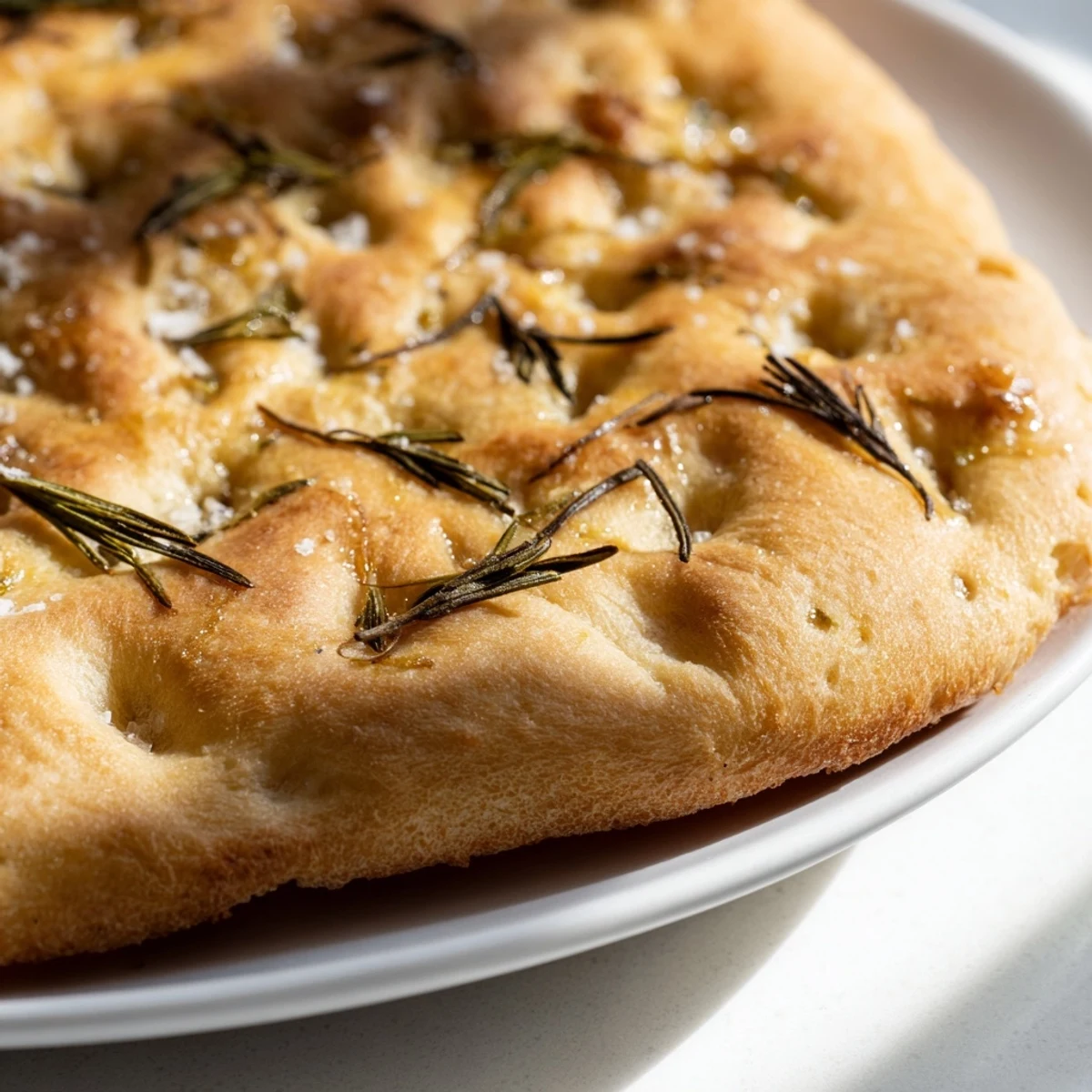
 Focaccia is the bread that reminds you that good food does not require perfection, just warm hands and a little time. Share it freely, because that is what it was made for.
Recipe Questions & Answers
- → What makes focaccia different from regular bread?
-
Focaccia is a high-hydration Italian flatbread baked in a sheet pan, characterized by its dimpled surface that traps olive oil. Unlike regular bread, it's meant to be thicker and richer, with a crisp exterior and soft, airy interior perfect for absorbing toppings.
- → Why do you dimple focaccia dough?
-
Dimpling creates those signature pockets in the dough that hold olive oil and toppings. This technique also prevents the dough from rising too much while baking, ensuring the characteristic texture. Use your fingertips to press gently but firmly into the risen dough before the final bake.
- → Can I use dried rosemary instead of fresh?
-
Absolutely. Use 1 teaspoon of dried rosemary in place of 1 tablespoon fresh. The flavor will be slightly more concentrated, so you may want to reduce slightly. Dried herbs work beautifully in focaccia since they have time to rehydrate in the olive oil during baking.
- → How long should I let the dough rise?
-
The first rise takes about 1 hour until doubled in size. After shaping and dimpling the dough in your baking tray, allow a second rise of 20-30 minutes until puffy. This two-stage rising process creates the characteristic airy texture and deep flavor development.
- → What can I serve with focaccia?
-
Focaccia shines as an appetizer with olive oil and balsamic vinegar, as a sandwich base for panini, or alongside soups and salads. It pairs wonderfully with Italian dishes, makes excellent garlic bread, and complements cheeses and charcuterie on antipasto platters.
- → How do I store leftover focaccia?
-
Store at room temperature wrapped in plastic or in an airtight container for up to 2 days. For longer storage, freeze individual portions wrapped tightly in plastic and foil for up to 3 months. Reheat in a 350°F oven for 5-10 minutes to restore crispness.