
 Pin it
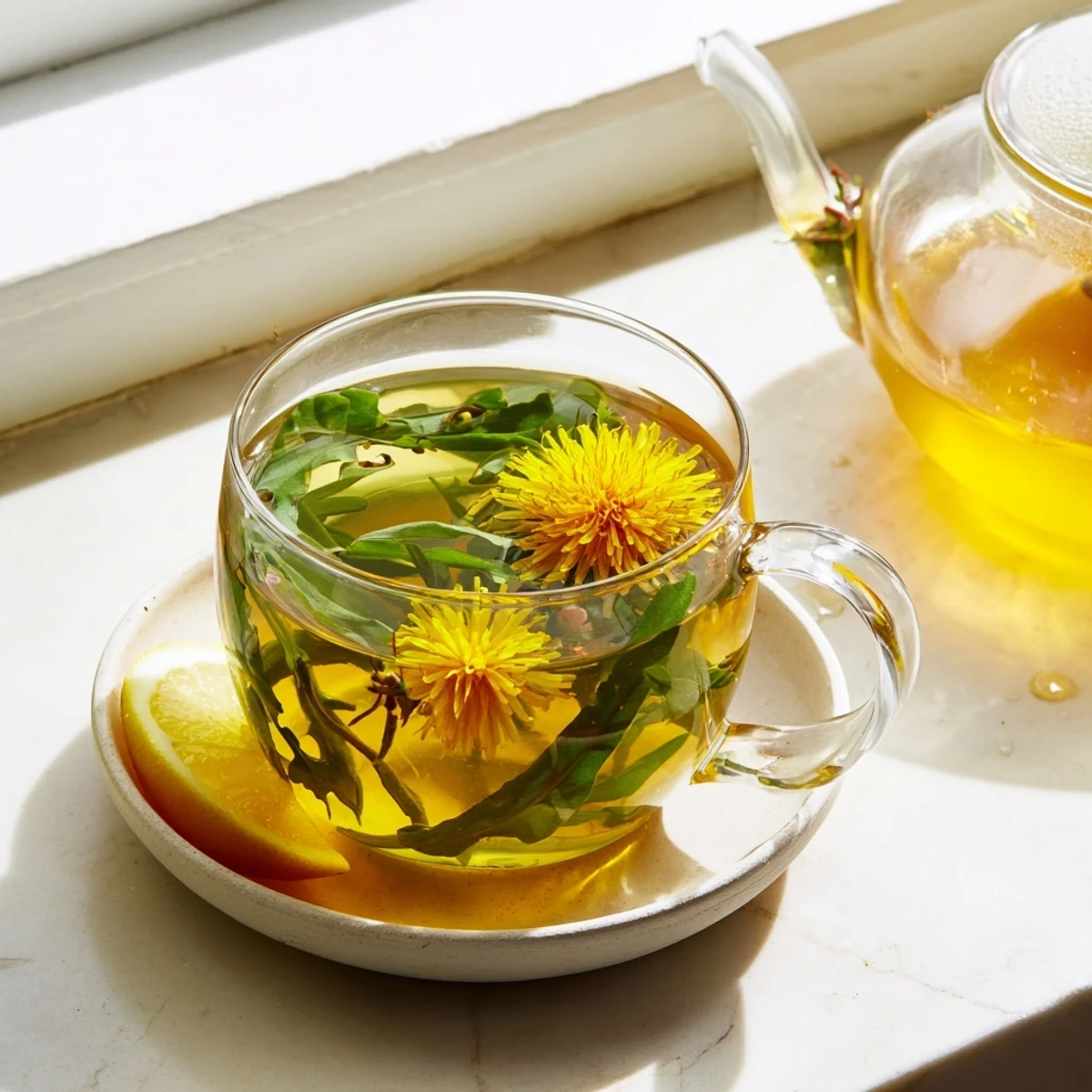
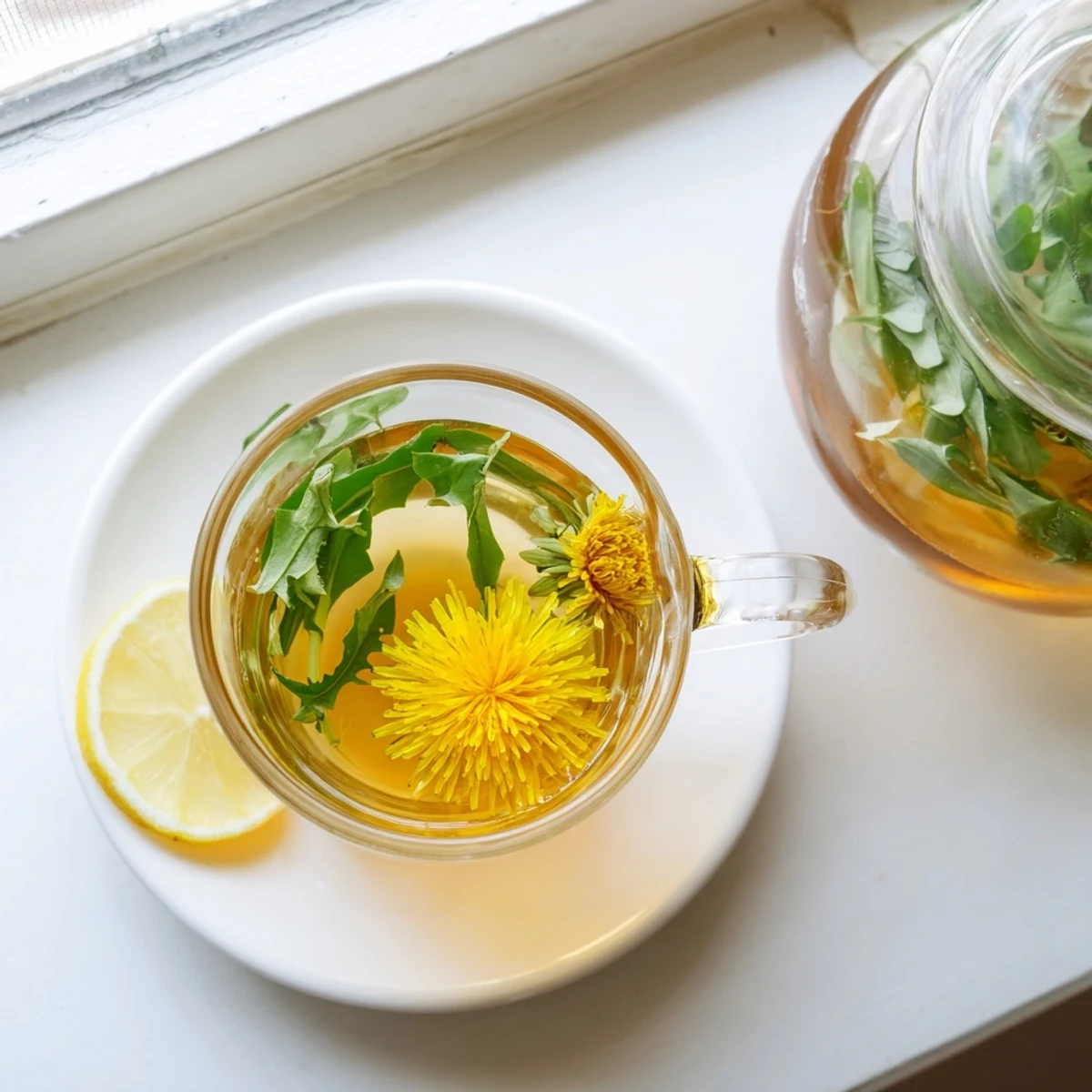
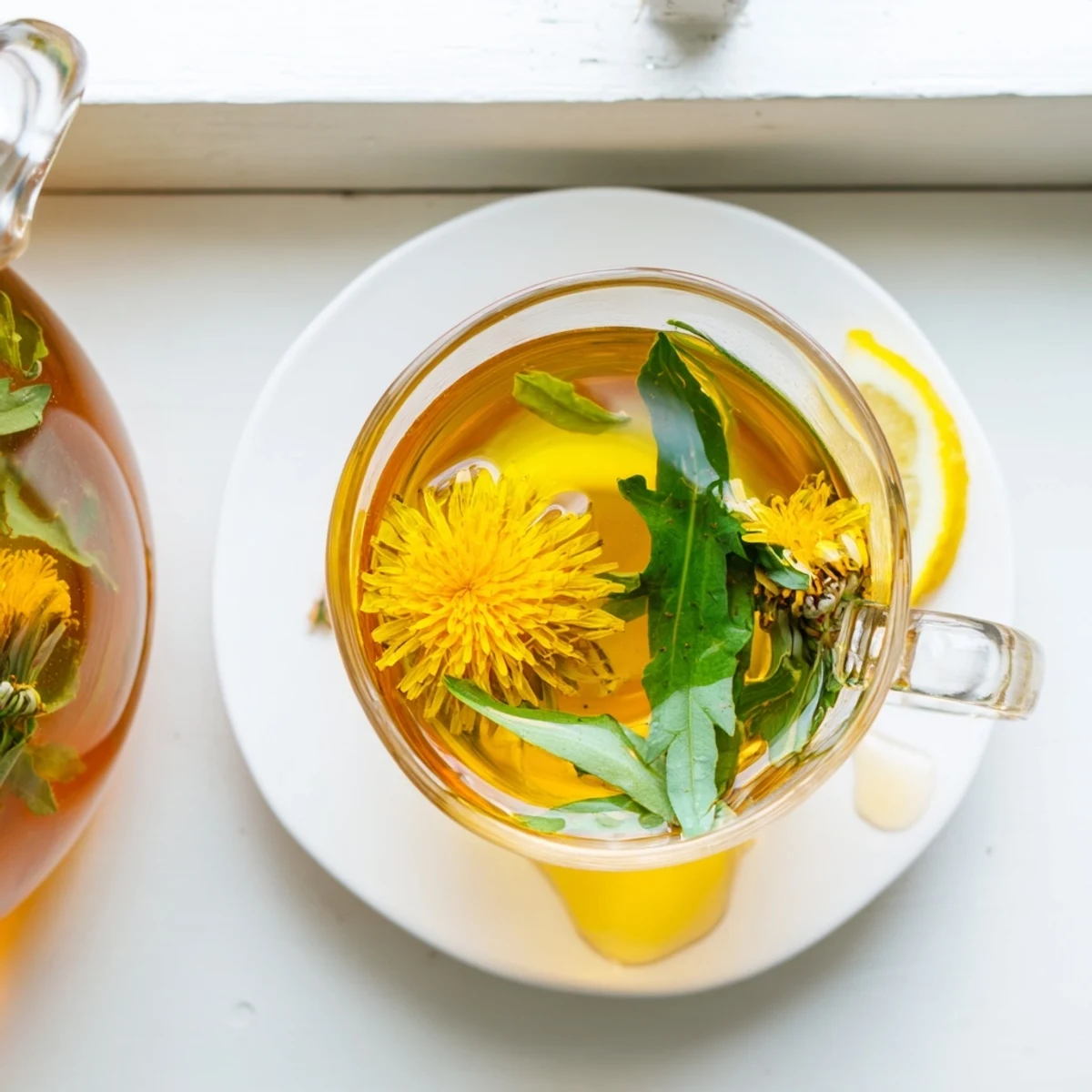
 This soothing herbal infusion combines fresh or dried dandelion petals and greens with filtered water, creating a light and earthy beverage perfect for detoxification. Steep the thoroughly washed botanicals in hot water for 8-10 minutes to extract their beneficial compounds. The resulting tea offers gentle digestive support while remaining naturally vegan and gluten-free. Customize with honey or lemon to suit your taste preferences, making it a versatile addition to your wellness routine.
The first time I tried dandelion tea, I was skeptical about drinking what I'd spent decades trying to eradicate from my lawn. But there's something profoundly satisfying about turning a so-called weed into something nourishing and gently medicinal.
Last spring, my neighbor watched me harvesting dandelions with genuine concern, probably wondering if I'd lost my mind. When I brought her a steaming cup the next morning, she called me two days later asking for my secret source.
Ingredients
- 2 cups fresh dandelion petals and/or leaves: Harvest from areas you know havent been sprayed with chemicals, ideally in the morning when the flowers are fully open
- 2 cups filtered water: Clean water matters since youre working with such delicate flavors
- 1 teaspoon honey or maple syrup: The bitterness grows on you, but a little sweetness helps during your first few cups
- 1 slice lemon: Adds brightness that cuts through the earthiness and makes the yellow color absolutely glow
Instructions
- Clean your harvest thoroughly:
- Rinse the fresh petals and leaves under cold running water, gently shaking them to dislodge any dirt or tiny garden visitors who might have hitched a ride.
- Bring water to a gentle boil:
- Heat your filtered water in a small saucepan until you see bubbles forming around the edges, then remove from heat.
- Combine and cover:
- Place your cleaned dandelion parts in a teapot or heatproof container, pour the hot water over them, and cover immediately to trap those beneficial compounds.
- Let it steep:
- Wait 8 to 10 minutes, watching as the water turns a warm golden yellow that feels like sunshine in a cup.
- Strain and customize:
- Pour through a fine mesh strainer into your favorite mug, then add honey or lemon if you'd like to temper the natural bitterness.
 Pin it
 My grandmother would have laughed at paying for detox teas when this humble plant grows practically everywhere, offering its gifts freely to anyone willing to look past its reputation.
Harvesting Wisdom
The best dandelions for tea are young ones with bright yellow flowers and tender leaves, before they develop that tough, bitter edge. I've learned to avoid plants growing near roadsides where they might have absorbed exhaust and road chemicals.
Drying For Later
Spread your cleaned petals and leaves on a clean towel in a warm, dry spot away from direct sunlight. They'll crisp up in a few days, and you'll have a steady supply through seasons when the yellow flowers have disappeared.
Beyond The Basic Brew
Roasted dandelion root creates an entirely different experience, something darker and richer that mimics coffee without the caffeine jitters. I often blend it with chicory for depth.
- Mix fresh petals with dried for a more complex flavor profile
- Experiment with steeping times to find your perfect balance of bitter and sweet
- Consider adding a sprig of mint if you grow it nearby
 Pin it
 Sometimes the most powerful remedies are growing right under our noses, waiting for us to shift our perspective from nuisance to nourishment.
Recipe Questions & Answers
- → What does dandelion tea taste like?
-
Dandelion tea offers a light, earthy flavor profile similar to mild greens or herbal teas. The taste is subtly bitter yet refreshing, with floral undertones from the petals. Adding honey or lemon can balance any bitterness and brighten the overall flavor.
- → Can I use both fresh and dried dandelions?
-
Yes, you can use either fresh or dried dandelion petals and leaves. Fresh dandelions require 2 cups of plant material, while dried version only need 2 tablespoons. Both options deliver beneficial properties, though fresh may offer a more vibrant taste.
- → How long should I steep dandelion tea?
-
Allow the tea to steep covered for 8-10 minutes to properly extract flavors and beneficial compounds. Steeping longer may result in a stronger, more bitter taste, while shorter steeping time yields a lighter infusion.
- → Where should I harvest dandelions for tea?
-
Always harvest dandelions from areas free of pesticides, herbicides, and chemical treatments. Avoid locations near roadsides or industrial areas. Choose plants with bright yellow flowers and healthy green leaves, and rinse thoroughly before use.
- → Can I make dandelion tea with roasted roots?
-
Roasted dandelion roots create a darker, coffee-like brew with deeper flavor notes. While this method uses different plant parts, it still offers digestive benefits and makes a satisfying caffeine-free alternative to coffee.
- → Is dandelion tea safe for everyone?
-
Most people enjoy dandelion tea safely, but those with wild plant allergies should exercise caution. Pregnant individuals, those with gallbladder issues, or people taking certain medications should consult healthcare providers before adding dandelion to their regular routine.