
 Pin it
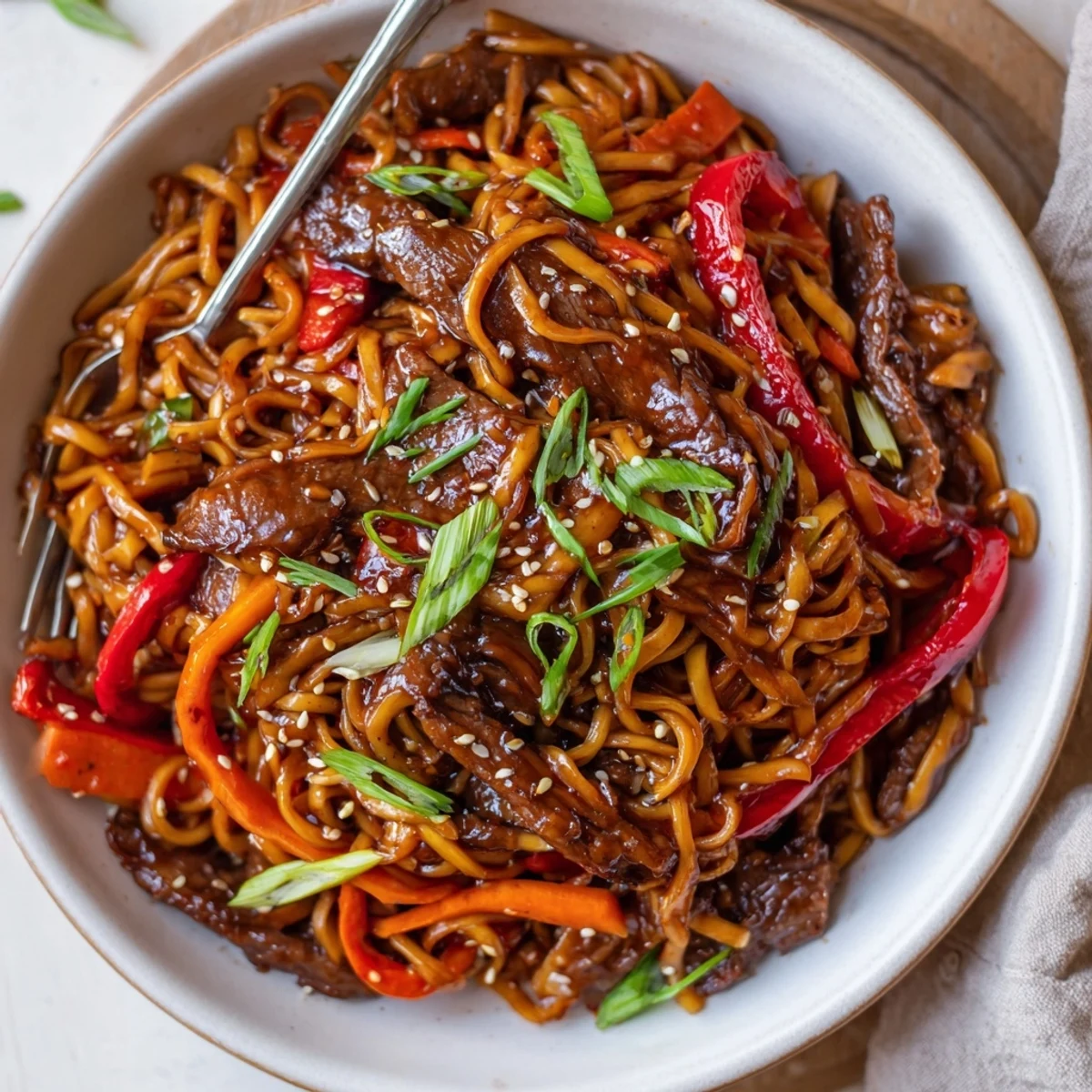
 Marinate thin beef slices in soy, cornstarch and sesame oil, then sear briefly. Cook noodles while whisking hoisin, dark soy, oyster sauce, honey and water into a glossy glaze. Stir-fry garlic, ginger and vegetables, return the beef, add the sauce and noodles, and toss over high heat until glossy and coated. Garnish with sesame seeds and fresh herbs; serves four in about 30 minutes.
There’s a crackling anticipation when you toss noodles into a searing hot wok—and that’s exactly what pulled me in the first time I tried making sticky beef noodles. The kitchen filled with the sweet-soy aroma almost instantly, and my wooden chopsticks kept sneaking quick tastes before the dish even hit the plate. Cooking this isn’t just about the flavors; it’s about that irresistible glossy glaze and hearing noodles sizzle as they soak it up. Every time I return to this recipe, something about the process just feels a little bit exhilarating.
One rainy weeknight, I whipped this up for friends who'd dropped by unexpectedly, and we ended up sharing stories around the kitchen island—everyone grabbing bites right from the communal bowl. Even the pickiest among us went in for seconds, serious faces giving way to laughter when the noodles disappeared faster than we could serve them.
Ingredients
- Beef sirloin or flank steak (400 g): Slicing it thin against the grain makes the meat melt-in-your-mouth tender; partial freezing makes this task much easier.
- Soy sauce (2 tbsp): A savory base for the marinade—low sodium works fine if that’s your preference.
- Cornstarch (1 tbsp): This trick, taught to me by a friend, ensures the beef stays super tender, giving the sauce something to cling to.
- Sesame oil (1 tsp): Adds a deep nutty note you’ll notice in each bite; don’t skip it.
- Black pepper (1/2 tsp): Freshly ground is punchier and worth it for this dish.
- Fresh or dried egg noodles (300 g): These make the dish satisfyingly chewy; rice noodles are a great swap if you’re avoiding gluten.
- Red bell pepper (1): Sweet, colorful, and softens just right as you toss it through.
- Carrot (1): Julienne them for quick cooking and bright crunch.
- Spring onions (3): Cut longer pieces so you get green-fresh flavor in every bite.
- Garlic (2 cloves): Mince it fine for even flavor distribution.
- Ginger (1 tbsp): Finely grated ginger brings punchy freshness that lingers in the sauce.
- Hoisin sauce (3 tbsp): Delivers the sweet and sticky depth; any leftovers are great on roast veggies.
- Dark soy sauce (2 tbsp): For deep color and strong umami; don’t confuse with regular soy—this one’s bolder.
- Oyster sauce (2 tbsp): Boosts complexity; can sub with vegetarian oyster sauce or extra hoisin.
- Honey (1 tbsp): A little brings the glossy shine and balances salty elements.
- Water (60 ml): Loosens the sauce so it coats without clumping.
- Toasted sesame seeds (2 tsp): To finish, their nutty crunch is irresistible.
- Fresh coriander or scallions: A handful sliced thin adds fresh color and flavor to serve.
Instructions
- Marinate the Beef:
- Tumble sliced beef with soy sauce, cornstarch, sesame oil, and pepper, letting every piece get glossy—ten minutes of resting is all it needs.
- Prep the Noodles:
- Cook your noodles just until tender, then drain and give a quick toss with a splash of oil to avoid sticking together.
- Mix the Sticky Sauce:
- In a bowl, whisk hoisin, dark soy, oyster sauce, honey, and water until smooth—the smell alone hints at what's coming.
- Brown the Beef:
- On high heat, flash-fry beef in batches for golden edges, just a couple of sizzling minutes; transfer out before it overcooks.
- Stir-fry the Veggies:
- Sauté garlic and ginger until fragrant, then add bell pepper, carrot, and spring onions, stirring quickly to keep them crisp-tender.
- Bring Everything Together:
- Return beef to the wok, pour in the sticky sauce, and toss—let it bubble so the aroma fills the room.
- Meld with Noodles:
- Add the noodles, using tongs to combine until every strand glistens and the color deepens all over.
- Garnish and Serve:
- Scatter sesame seeds and herbs over top and serve piping hot; don’t wait too long, these noodles shine brightest right away.
 Pin it
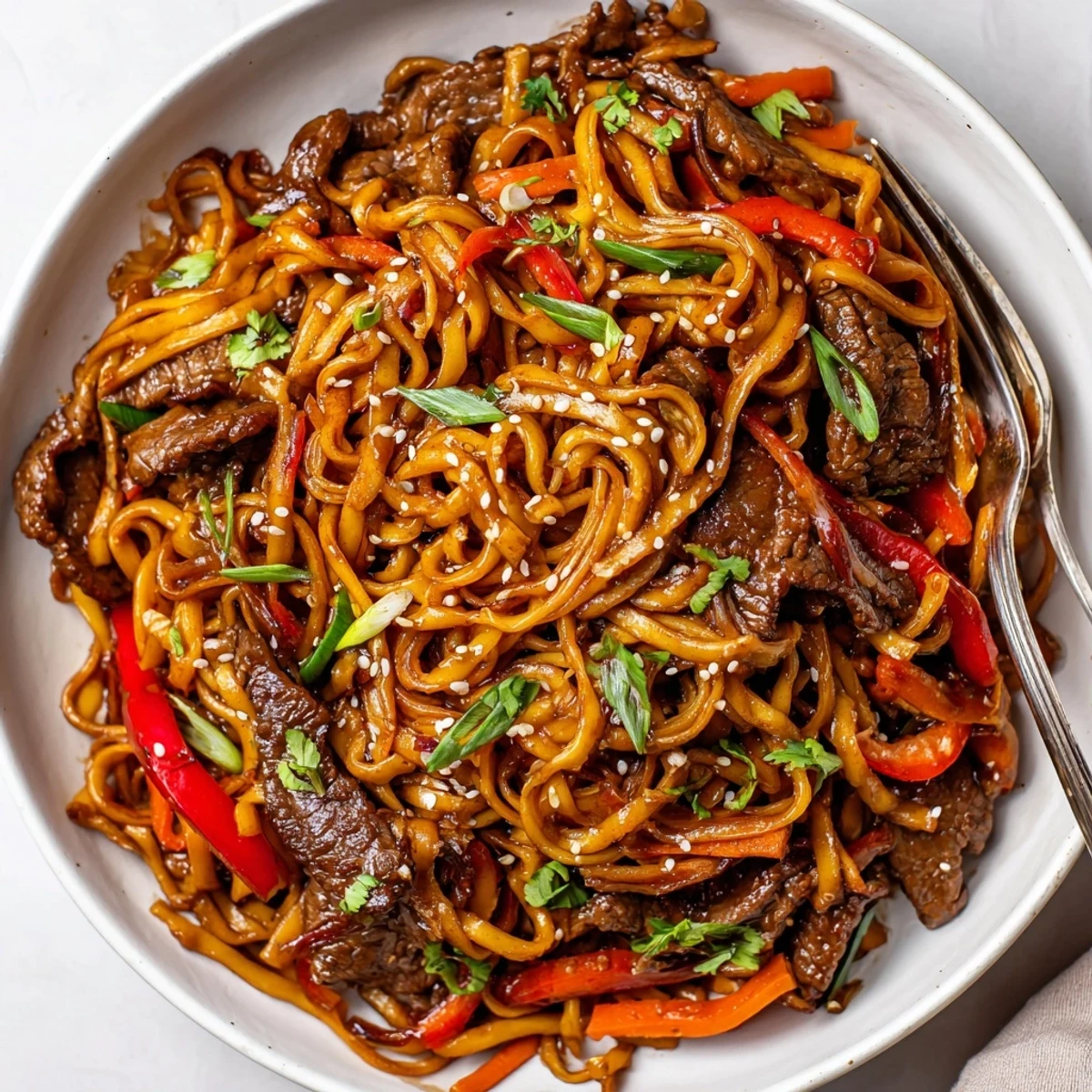
 There was a time when I doubled the sauce, thinking more is better—I ended up with a wok of noodles happily swimming in rich, shiny glory, and we mopped up every last drop with crusty bread. That dinner, more than anything, made these noodles a mainstay at every casual get-together since.
Mastering Texture in Stir-Fries
The key is not to over-cook anything—veggies still need a lively crunch, and beef should be just past rare when it comes out of the wok for maximum juiciness. I learned to have all the components ready and within arm’s reach, so nothing lingers too long in the pan or on the counter.
Swapping Ingredients with Confidence
This recipe easily adapts; chicken or tofu picks up the marinade just as well, and I’ve even added snap peas or bok choy for an extra green boost. For friends who avoid gluten, rice noodles and gluten-free soy easily make the meal inclusive for everyone.
Little Time Savers for Busy Nights
Pre-slicing meat and veggies a day ahead makes this a heat-and-eat dinner, letting the flavor soak in even deeper overnight. Warming your bowls in the oven before serving, though unconventional, keeps every strand delightfully hot right up till the last chopstickful.
- Don’t skip resting the beef with marinade—it matters for tenderness.
- Prepare all sauce and veggies before you heat up the wok.
- Toss noodles quickly once sauce goes in so they don’t over-soften.
 Pin it
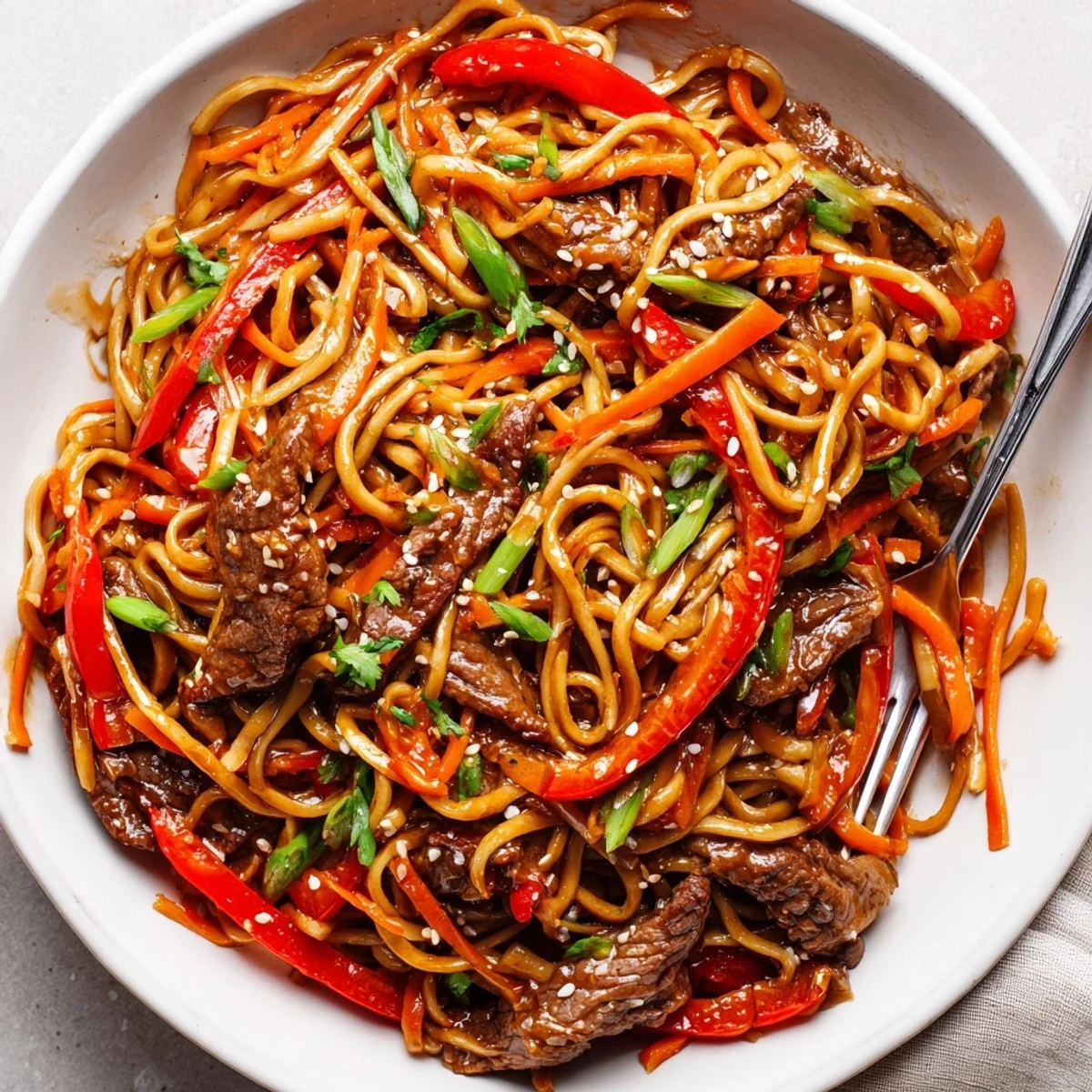
 Sticky beef noodles have a way of bringing everyone to the stove—even just for a taste. I hope your kitchen fills with as much laughter and aroma as mine whenever this dish hits the table.
Recipe Questions & Answers
- → Can I swap the beef for another protein?
-
Yes — chicken or firm tofu work well. Adjust cooking time: chicken strips need slightly longer, while tofu should be pressed and seared to develop a crust before tossing with the sauce.
- → How can I make this gluten-free?
-
Use rice noodles and substitute tamari or a gluten-free soy sauce for regular soy, and check that hoisin and oyster-style sauces are labeled gluten-free or use alternatives like plum sauce mixed with tamari.
- → What keeps the noodles from getting soggy?
-
Cook noodles until just tender, drain thoroughly, and toss briefly in a splash of oil to separate. Add them at the end over high heat and cook only 1–2 minutes while tossing, so they stay slightly chewy.
- → How do I get a glossy, sticky sauce without it burning?
-
Whisk the sauce ingredients with a small amount of water so it thins. Add it to the pan off the hottest part of the flame, then bring to a quick bubble while tossing—sugar and cornstarch from the marinade help create shine without scorching.
- → What are good garnishes and pairings?
-
Toast sesame seeds and scatter fresh coriander or sliced scallions for brightness. Serve alongside a crisp lager, jasmine tea or steamed greens to balance the sweet-salty glaze.
- → How should leftovers be stored and reheated?
-
Cool quickly, refrigerate in an airtight container for up to 2 days. Reheat in a hot skillet with a splash of water or oil, tossing to revive the glaze and soften the noodles evenly.