
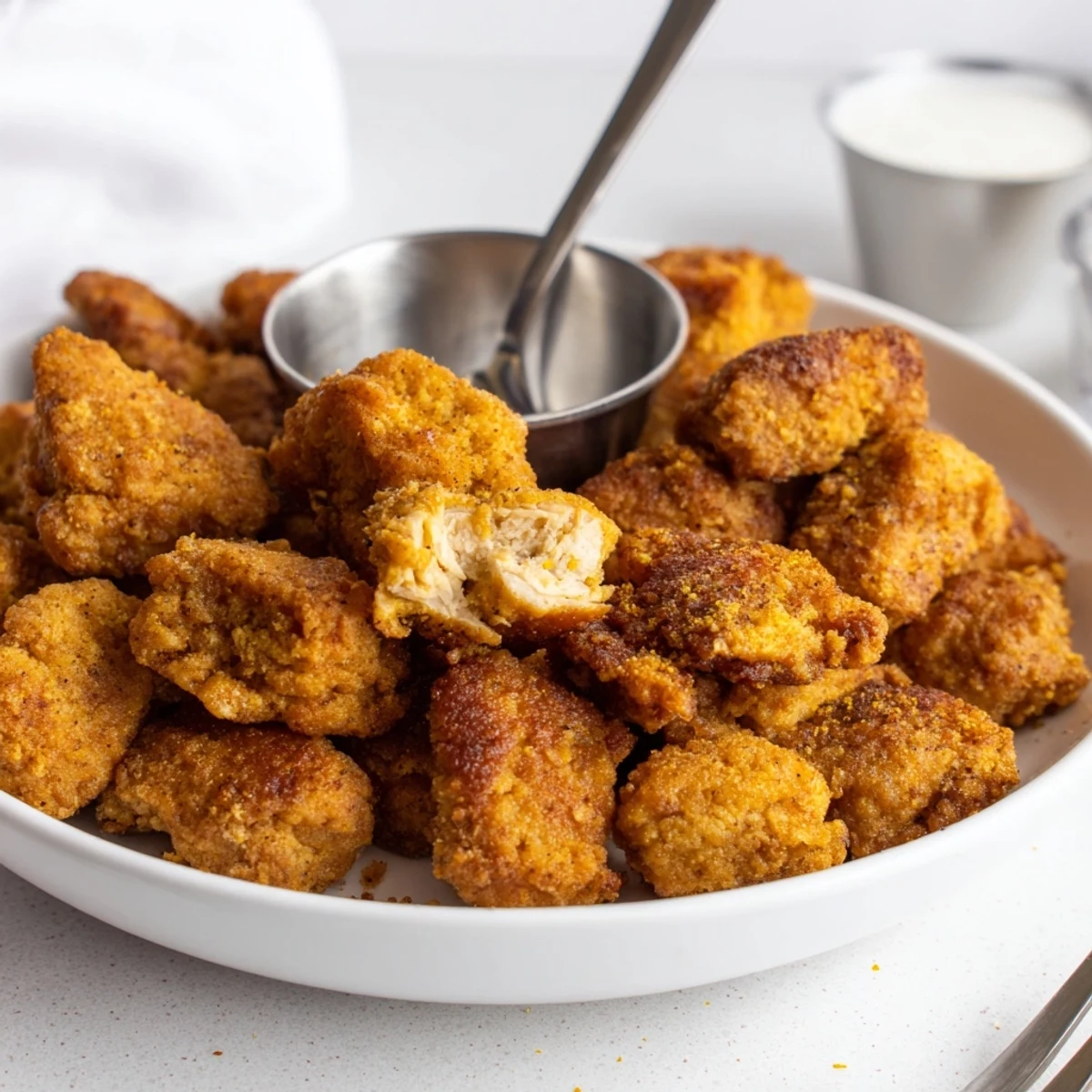
 Pin it
 Marinate bite-sized chicken in buttermilk spiked with garlic and paprika for at least 30 minutes, then dredge in a mix of flour, cornstarch and spices. Deep-fry at 175°C (350°F) in batches until golden and cooked through, 3–4 minutes per batch. Drain briefly, rest, and serve hot with preferred dipping sauces. For a lighter finish, bake at 220°C (425°F) for 15–18 minutes, turning once; add dried herbs or grated parmesan to the breading for extra flavor.
The telltale sizzle of oil and the savory scent of spices always transport me straight to my kitchen on a Saturday afternoon—windows cracked, laughter echoing from the other room, and everyone asking when the chicken bites will be ready. I never set out to create a party favorite, but these crisp, golden morsels became a repeat request whether friends are gathering or we're just in the mood for a little snacky celebration. It's the anticipation that gets me: watching as the first batch turns perfectly golden, knowing the taste is just moments away. Cooking these has become a bit of an event in itself around here.
Once, I made a double batch to surprise my neighbor after she had a rough week, and we ended up devouring almost the whole tray in my kitchen, dipping and laughing until there was nothing but crumbs left. I remember thinking how some dishes are just meant to be shared, messy hands and all.
Ingredients
- Boneless, skinless chicken breast: Choose fresh chicken and cut it evenly—bite-sized pieces cook up juicier and faster.
- Buttermilk: Let the chicken soak in this for extra tenderness; it’s my go-to for juicy bites every time.
- Garlic powder: Adds an underlying warmth—don’t skip it for that little lift of flavor.
- Paprika: For subtle smokiness and color in both the marinade and breading.
- Salt & black pepper: I season at each step, just a habit for layers of taste.
- All-purpose flour: It builds the foundation of that irresistible crust.
- Corn starch: My secret for extra crunch; the texture difference is noticeable.
- Onion powder: Brings a sweeter, rounded flavor to the breading.
- Cayenne pepper (optional): Use if you crave a gentle kick—a little goes a long way!
- Vegetable oil: Go for a neutral oil with a high smoke point for even frying.
Instructions
- Marinate the chicken:
- Pour buttermilk, garlic powder, paprika, salt, and pepper into a bowl, add the chicken, and toss with clean hands—if the scent isn’t making you hungry yet, just wait. Slide the bowl into the fridge for at least 30 minutes so flavors meld and the meat softens up.
- Prepare the breading:
- Combine flour, corn starch, paprika, onion powder, cayenne, salt, and pepper in a wide bowl—whisk until the powdery mix shifts from pale to warm brick color.
- Heat up the oil:
- Pour enough vegetable oil into a deep pan and bring it to 175°C (350°F); listen for a faint shimmer, but don’t let it smoke.
- Coat the chicken:
- Lift pieces from the marinade, let a little drop off, and dredge each one through the flour mixture—cover every nook so the crunch doubles in every bite.
- Fry in batches:
- Carefully lower chicken into the oil with a slotted spoon, keeping the pieces apart—watch them bubble and turn golden in 3–4 minutes, then scoop them out onto paper towels.
- Serve and enjoy:
- While they’re still piping hot, plate them up with your favorite sauce—don’t wait too long or you’ll miss that irresistible crunch!
 Pin it
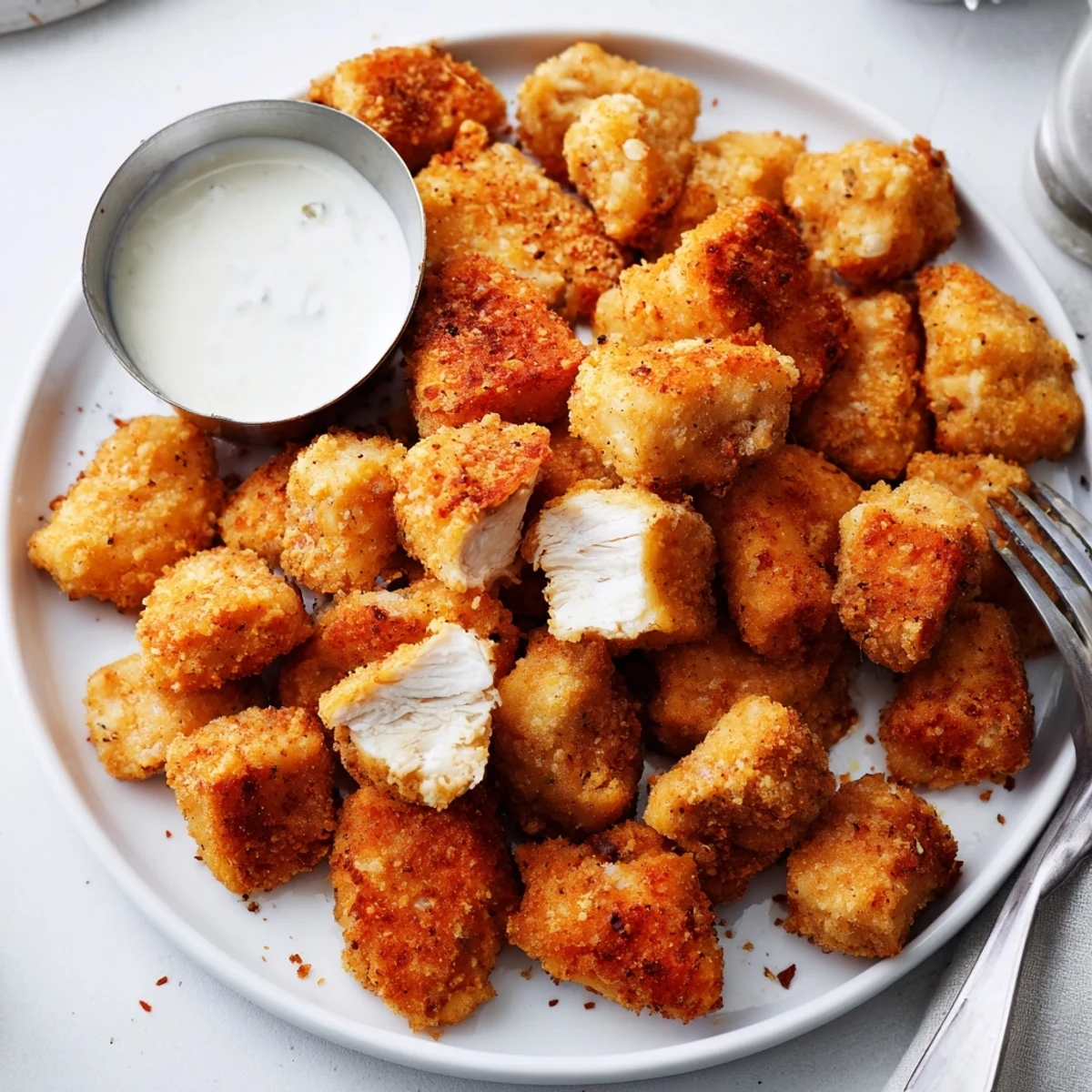
 My cousin once declared these chicken bites his official 'game night lucky charm,' and now any gathering at my place isn't complete until someone asks if I'm making them. There's just something about dunking a crunchy, hot bite into cool ranch that turns a regular evening into an all-out festivity.
Choosing the Best Chicken
Working with fresh, evenly cut chicken breast really is worth the extra minute—they cook evenly so you don't end up with random dry bites alongside juicy ones. If you can, pat the chicken dry before marinating so the buttermilk clings better.
Mastering Crispy Breading
Double dipping can change the world: dip into the marinade, into the flour mix, then back into the marinade, and once more into the flour for a seriously thick, crispy finish. It’s a little messier on your hands but so rewarding on the plate.
Serving and Storing for Maximum Crunch
Chicken bites are best eaten hot and right after frying, but if you’re making them ahead, reheat in a hot oven to revive the crunch without overcooking the chicken.
- Let them cool on a wire rack so the heat escapes on all sides.
- A squeeze of lemon right before serving lifts all the flavors.
- Remember, fresh sauce on the side—not poured over—keeps everything crispy and dippable.
 Pin it
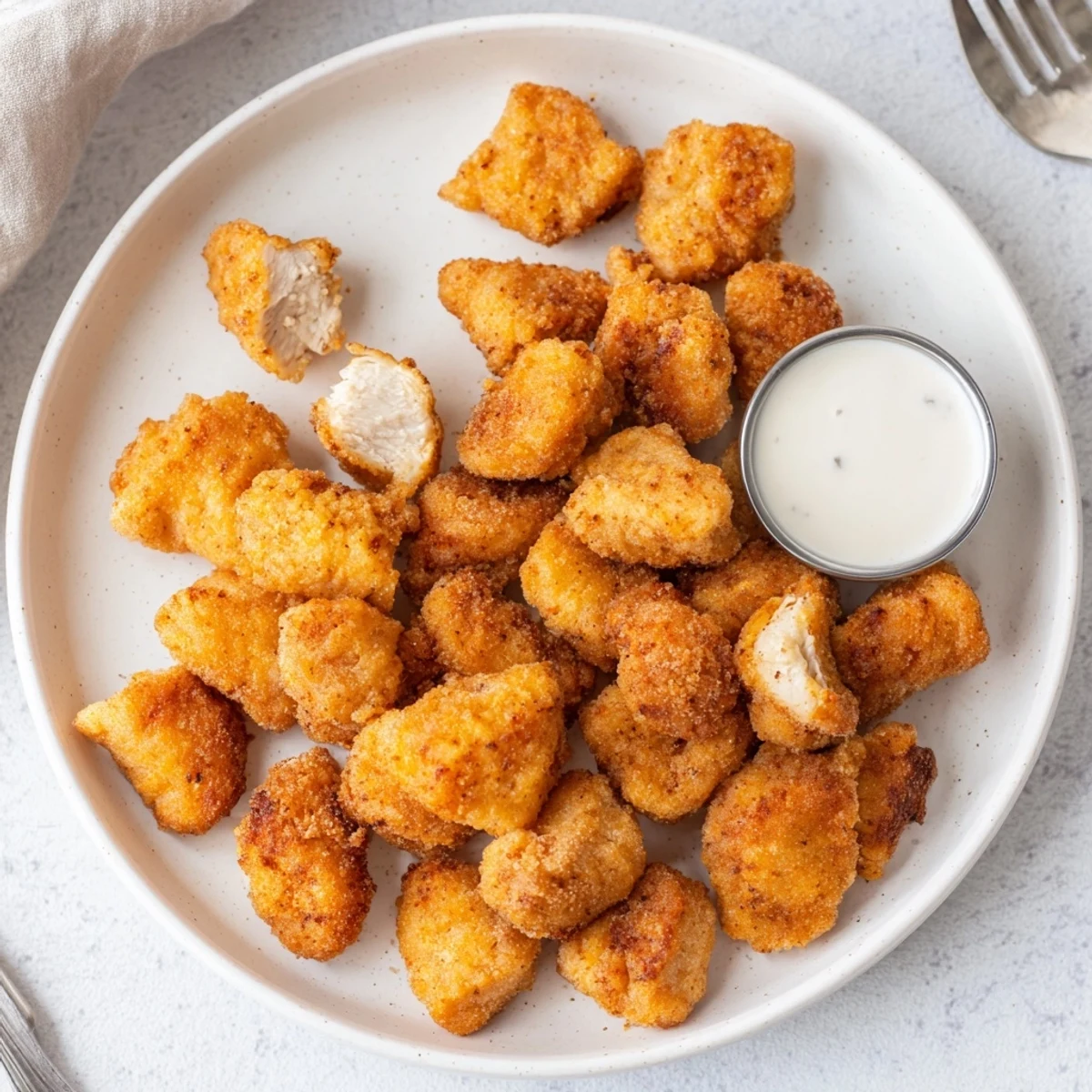
 However you serve these, don't be surprised if you find yourself standing in the kitchen, savoring just one more bite long after everyone else is full. Sharing is half the fun, but snagging a hot piece straight from the rack is pure cook's privilege.
Recipe Questions & Answers
- → How long should the chicken marinate?
-
At least 30 minutes improves tenderness and flavor; refrigerate for up to 4 hours for deeper tang from the buttermilk. Even a short 15-minute soak helps the coating adhere.
- → Can I bake instead of frying?
-
Yes. Arrange coated pieces on a rack over a baking sheet and bake at 220°C (425°F) for 15–18 minutes, turning once. Brush lightly with oil for better browning and crispness.
- → How do I keep the coating extra crispy?
-
Use a mix of flour and cornstarch, fry in hot oil in small batches to avoid temperature drop, and drain on a rack rather than paper to prevent sogginess. Recrisp briefly in a hot oven if needed.
- → What oil and temperature are best for frying?
-
Neutral oils with high smoke points like vegetable or canola are ideal. Heat to about 175°C (350°F) and monitor with a thermometer; adjust heat to keep the temperature steady between batches.
- → Which dipping sauces pair well?
-
Classic choices include ranch, honey mustard, BBQ, or spicy mayo. Sweet and tangy sauces balance the savory crust, while creamy dips cool the palate with spicy coatings.
- → Can I use dark meat instead of breast?
-
Yes. Thighs are juicier and more forgiving; cut to uniform bite-sized pieces and check doneness as they may take slightly longer to cook through than breast.