
 Pin it
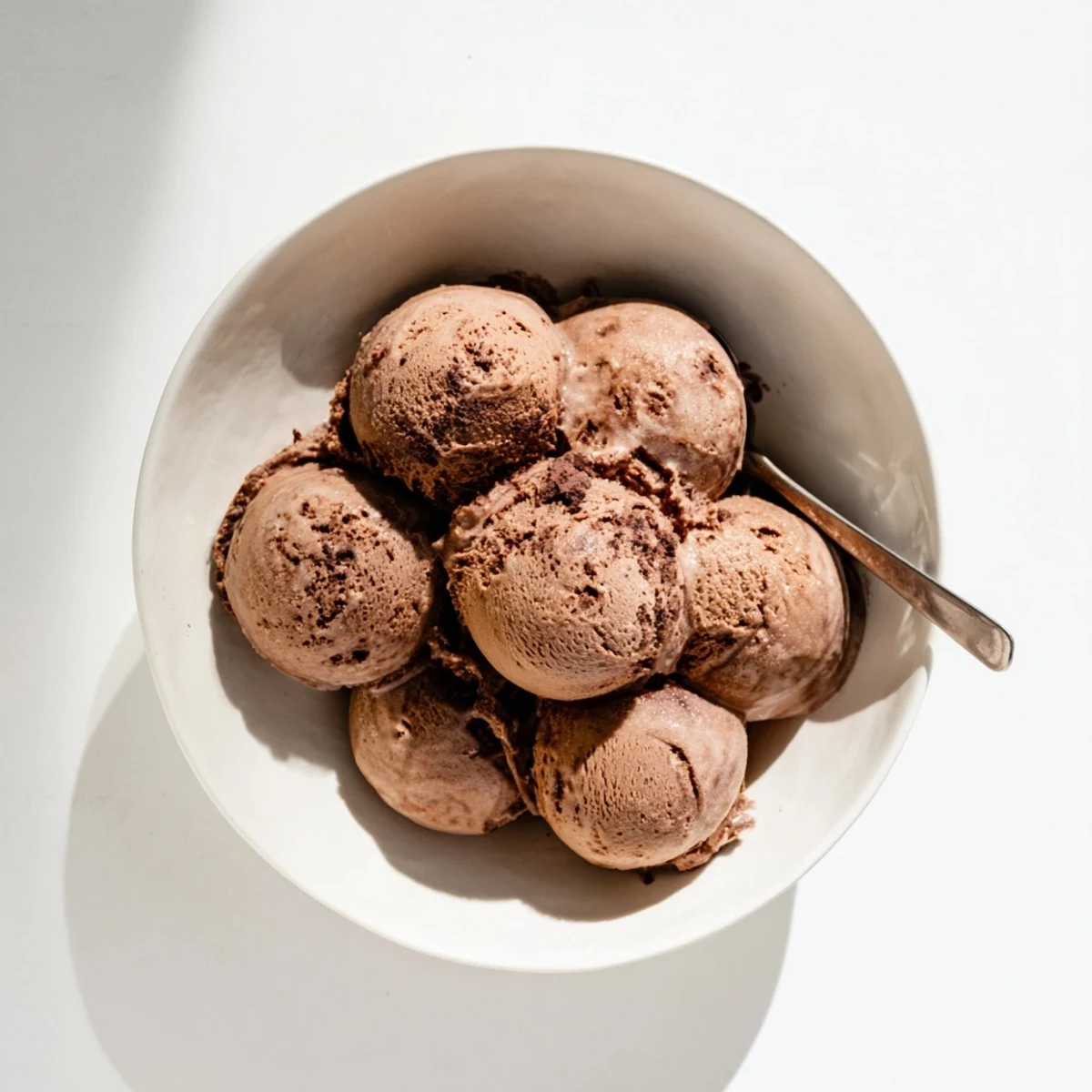
 This innovative frozen dessert combines the luxurious richness of dark chocolate custard with the distinctive tang of sourdough starter. The process involves creating a traditional French custard base, infusing it with 70% dark chocolate and cocoa powder, then incorporating active sourdough for complexity. After an essential chilling period, the mixture churns into a velvety smooth finale that balances sweetness with subtle sourdough undertones. The result offers unexpected depth perfect for those seeking distinctive modern desserts.
My sourdough starter, Gerald, had been sitting neglected on the counter for three days, and rather than toss the discard, I wondered what would happen if I folded it into a chocolate custard. The result was a ice cream with this faint, mysterious tang that made everyone at the table pause and ask what was in it. Now Gerald earns his keep far beyond bread. This recipe turned a lazy baking week into one of the most requested desserts in my house.
I served this at a summer dinner party when the air conditioning had given out and everyone was slumped in chairs fanning themselves with napkins. Two scoops each brought the whole table back to life, and my friend David actually licked his bowl when he thought no one was looking.
Ingredients
- Whole milk (1 1/2 cups): Whole milk is nonnegotiable here because the fat carries the flavor and gives you that velvety texture.
- Heavy cream (1 1/2 cups): This is what makes the ice cream scoopable straight from the freezer instead of turning into a brick.
- Granulated sugar (1/2 cup, split): Splitting the sugar between the custard base and the yolks helps with tempering and sweetness balance.
- Egg yolks (4 large): Yolks are the backbone of any good custard and create that luxurious mouthfeel.
- Salt (1/4 tsp): A small pinch makes the chocolate taste deeper and rounds off any bitterness.
- Dark chocolate, 70% cacao (4 oz, chopped): Chop it small so it melts fast and evenly into the hot custard.
- Unsweetened cocoa powder (1/4 cup): This reinforces the chocolate flavor without adding extra sugar or fat.
- Active sourdough starter or discard (1/2 cup, room temperature): Use unfed discard for the best tang, and make sure it is at room temperature so it blends smoothly.
Instructions
- Warm the dairy:
- Combine the milk, cream, and half the sugar in a saucepan and heat gently until you see steam rising but no bubbles forming. You want it hot enough to temper the yolks, not scalded.
- Prep the yolks:
- Whisk the egg yolks with the remaining sugar and salt in a bowl until the mixture looks pale yellow and slightly thickened. Take your time here because this step builds the custard structure.
- Temper carefully:
- Slowly pour the hot dairy into the yolks while whisking constantly, then return everything to the saucepan. This is the moment where patience prevents scrambled eggs.
- Cook to coat:
- Stir the custard over low heat until it thickens enough to coat the back of a spoon and reaches 170 degrees. Rushing this step with high heat is the fastest way to ruin a custard.
- Melt the chocolate:
- Off the heat, drop in the chopped chocolate and cocoa powder, then stir until the mixture is glossy and completely smooth. The residual heat melts everything perfectly.
- Strain and cool:
- Pour the custard through a fine sieve to catch any lumps or cooked egg bits, then let it cool to room temperature. This step takes a few minutes but makes the final texture flawless.
- Add the sourdough:
- Whisk the starter into the cooled custard until fully blended with no streaks remaining. You should notice a faint tangy aroma at this point.
- Chill thoroughly:
- Cover the bowl and refrigerate for at least 4 hours or overnight if you can stand the wait. A colder base churns faster and yields a creamier result.
- Churn until thick:
- Freeze in your ice cream maker following the manufacturer directions until it looks like soft serve. This usually takes about 20 minutes depending on your machine.
- Freeze to set:
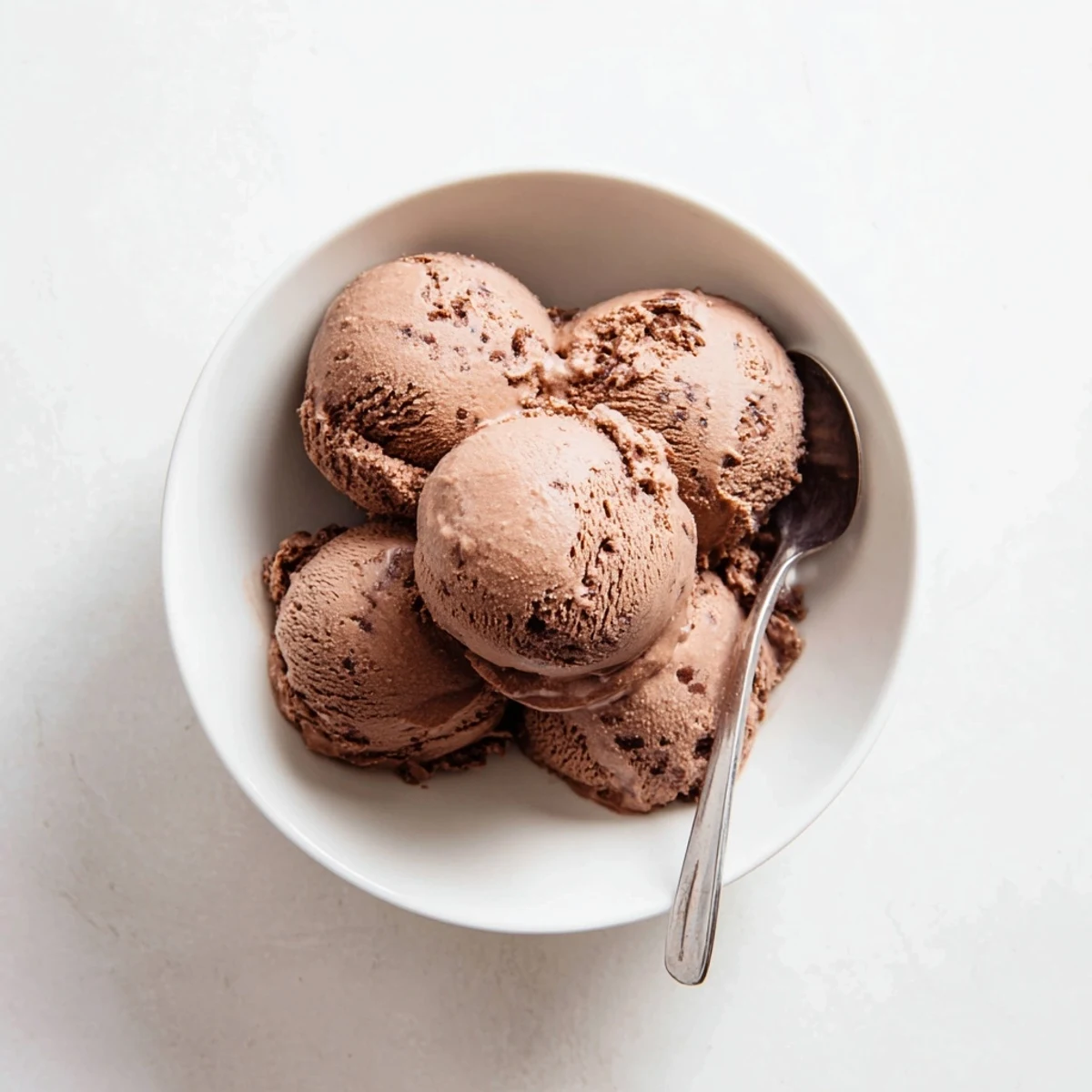
- Transfer the churned ice cream to a lidded container and freeze for at least 2 hours before scooping. Overnight is even better if you want perfect scoops.
 Pin it
 The night I realized this recipe had become a permanent fixture was when my neighbor knocked on the door asking if I had any of that weird chocolate ice cream left, and I had to admit I had eaten the last scoop standing over the sink at midnight.
Choosing the Right Chocolate
Seventy percent cacao is the sweet spot for this recipe because anything darker makes the sourdough tang taste bitter, and anything sweeter masks it entirely. I once tried it with a 85 percent bar and the result was too intense for everyone except me. A good quality supermarket baking chocolate works perfectly fine, so do not feel pressured to buy anything fancy.
Understanding Your Sourdough Starter
Discard starter that has been sitting unfed for a day or two actually works better than a freshly fed bubbly one because the flavor is more developed and mellow. If your discard has been in the fridge for a week, let it come to room temperature and give it a sniff before using. You want tangy, not sour in an aggressive way.
Serving and Storing Suggestions
This ice cream is best within the first week but will keep in the freezer for up to a month if pressed tightly against the surface to prevent ice crystals. Let it sit at room temperature for about 5 minutes before scooping for the best texture. A sprinkle of flaky sea salt on top is not optional in my house anymore.
- Freeze the storage container before filling it to help the ice cream set faster.
- Press plastic wrap directly against the surface before lidding to minimize freezer burn.
- Always label with the date because this ice cream does not last long anyway.
 Pin it
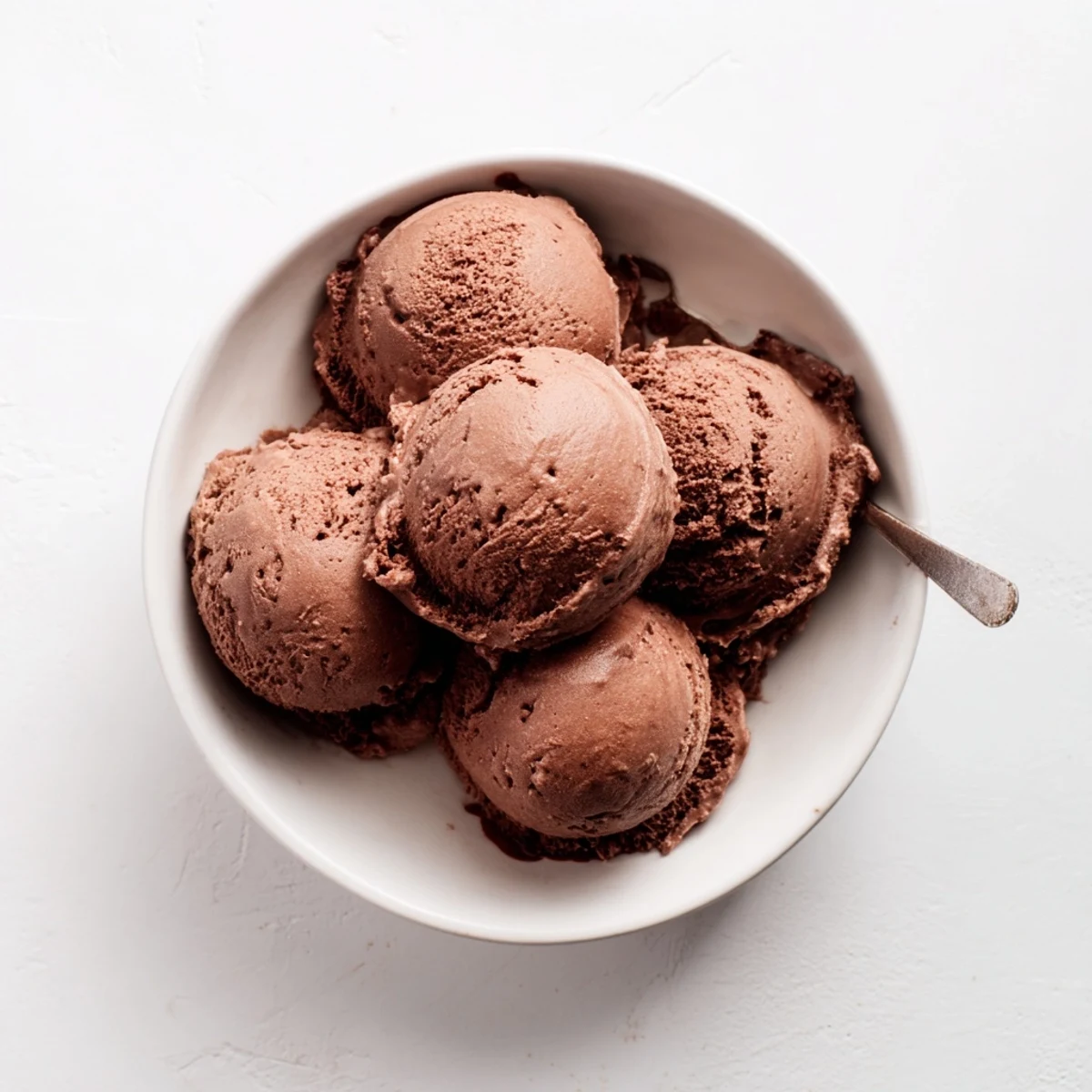
 This recipe is proof that the best dishes come from curiosity and a willingness to play with flavors that have no business working together. Gerald the starter and I hope you enjoy every tangy, chocolatey scoop.
Recipe Questions & Answers
- → What does sourdough add to chocolate ice cream?
-
Sourdough starter introduces subtle tangy notes and complex fermentation flavors that balance the rich dark chocolate, creating depth beyond traditional sweetness while contributing to a smoother, creamier texture.
- → Should I use fed or unfed sourdough starter?
-
Unfed starter works perfectly and actually provides more pronounced tangy flavor. The starter should be active and at room temperature for optimal incorporation into the custard base.
- → Can I make this without an ice cream maker?
-
While an ice cream maker yields best texture, you can freeze the mixture in a shallow container, whisking vigorously every 30 minutes for the first 3 hours to break ice crystals and incorporate air.
- → Why strain the custard base?
-
Straining through a fine sieve removes any cooked egg bits and ensures silky smooth texture. This step also catches any chocolate lumps, guaranteeing uniform consistency throughout the final product.
- → How long should I chill the base before churning?
-
Refrigerate for at least 4 hours, though overnight chilling produces optimal results. The base must be thoroughly cold (around 40°F/4°C) for the ice cream maker to freeze it properly and achieve ideal texture.
- → Can I use milk chocolate instead of dark chocolate?
-
Dark chocolate (70% cacao) provides the right balance to complement sourdough tang. Milk chocolate may result in overly sweet final product that masks the distinctive sourdough character.