
 Pin it
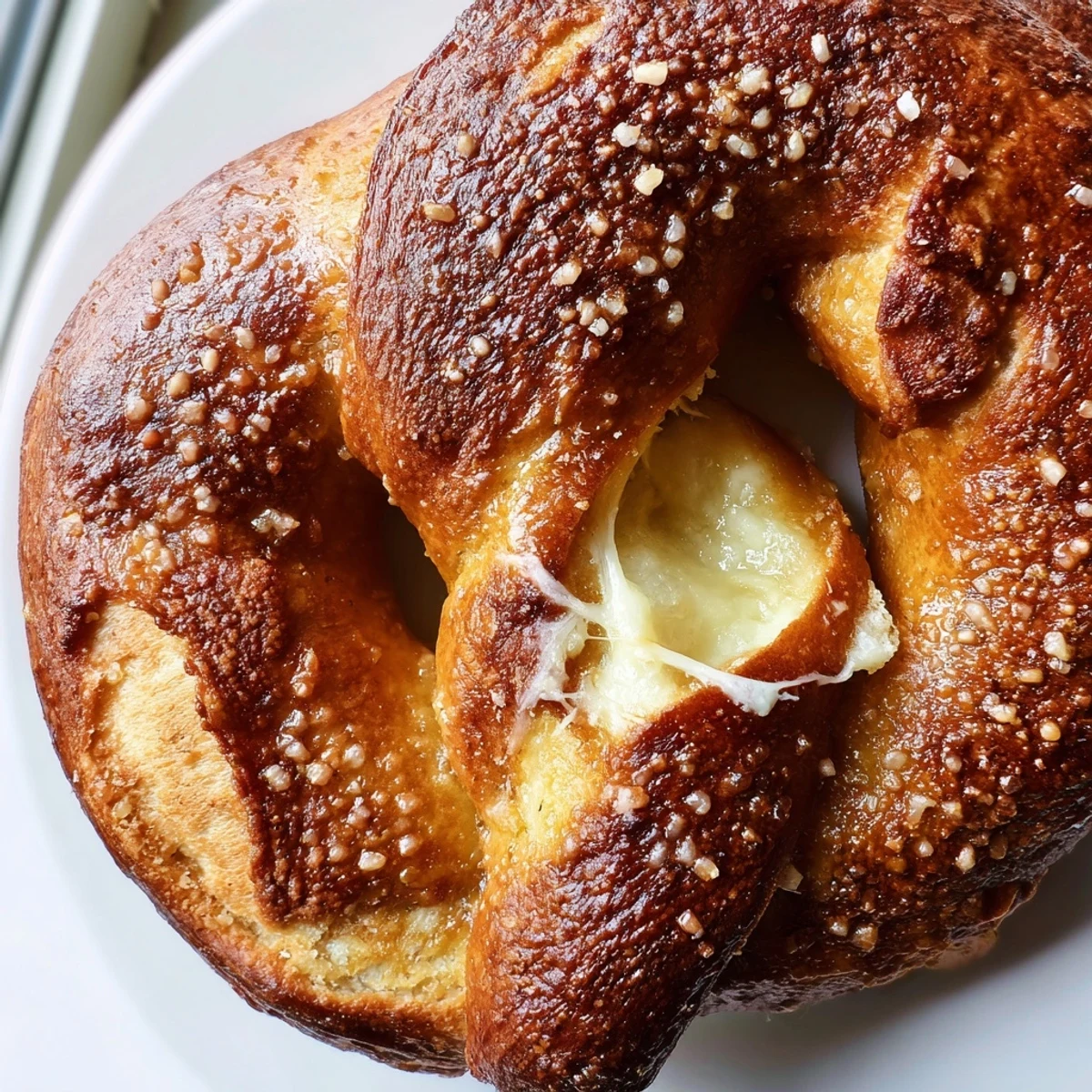
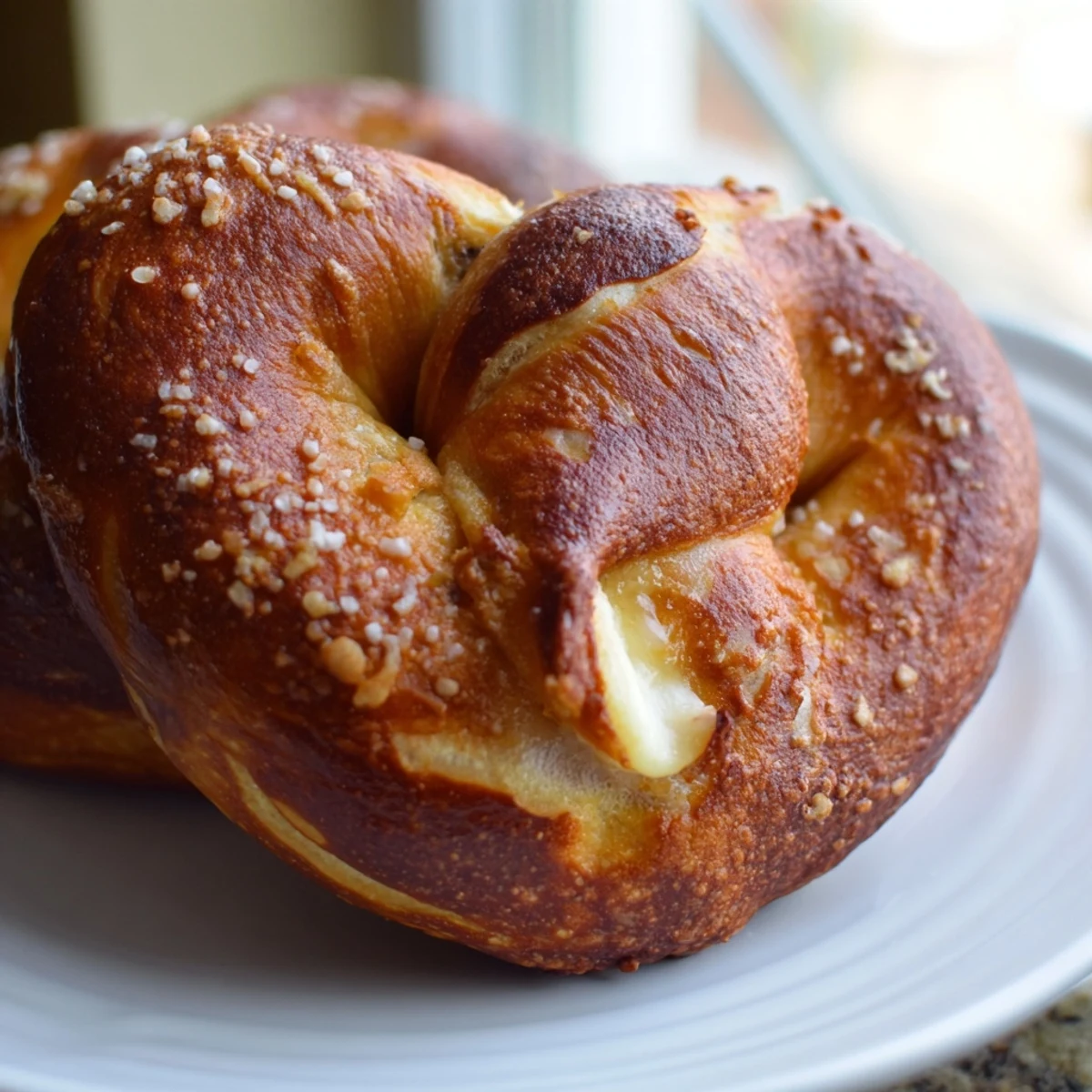
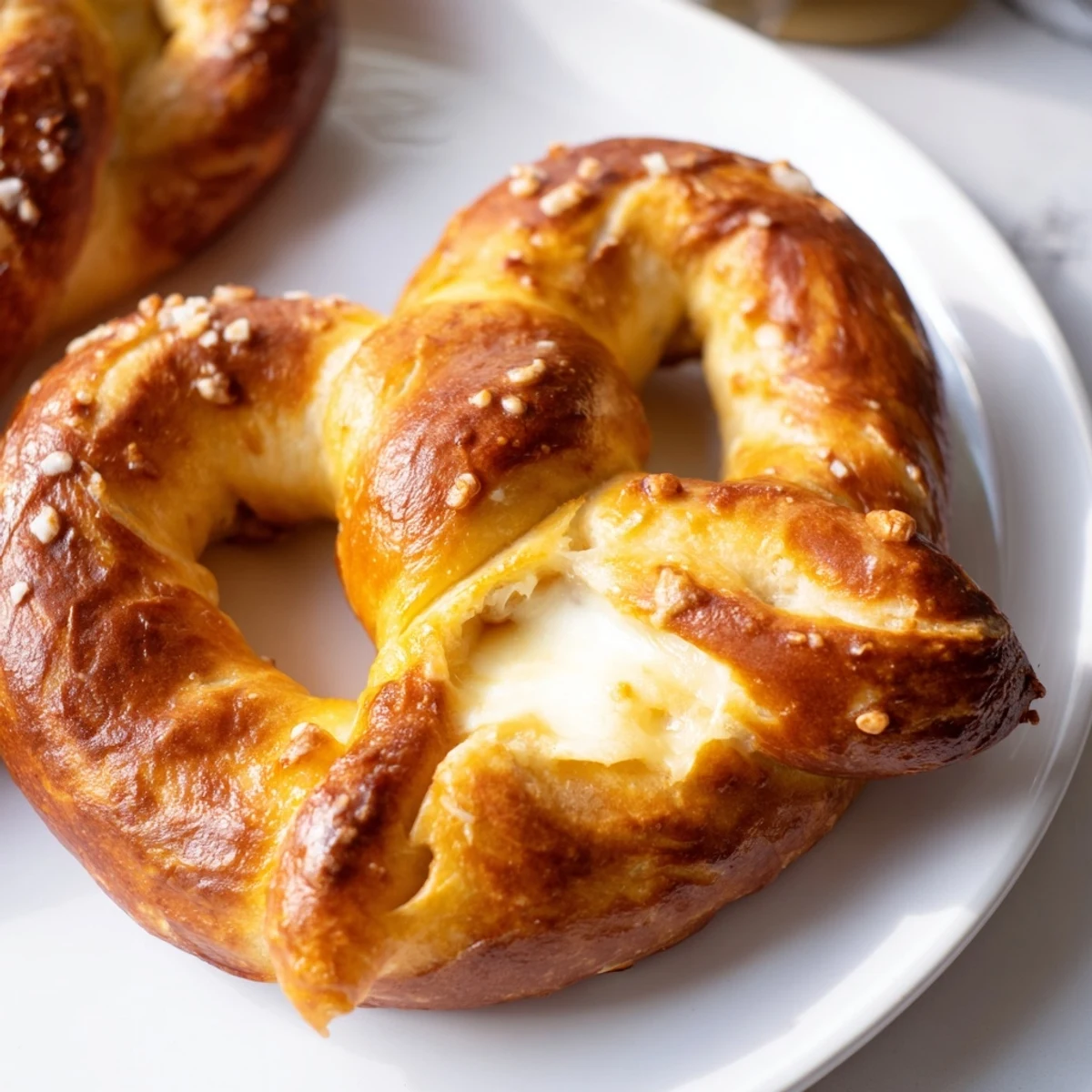
 These soft pretzels feature a chewy, golden exterior wrapped around a melted mozzarella core. The dough undergoes a traditional baking soda bath for that classic pretzel flavor and deep brown finish. Each pretzel is formed by enclosing a cheese stick within the dough, then shaping into the traditional knot. The result combines the satisfying texture of freshly baked pretzels with the indulgent surprise of warm, gooey cheese.
The winter my basement kitchen became an impromptu pretzel factory started with a failed experiment involving frozen bread dough and way too much cheese. I was trying to recreate those mall pretzels from my childhood but ended up with something messy, delicious, and entirely my own. Those first attempts stuck to the baking sheet in spectacular fashion, but my roommates didn't seem to mind eating the mistakes. That chaotic night taught me more about dough psychology than any cookbook ever could.
My sister came over during one of my experimental phases and watched me wrestle dough ropes around cheese sticks with my flour-covered hands. She laughed until she tried one fresh from the oven, then immediately demanded I teach her the technique. We spent the next three hours making increasingly elaborate shapes, some pretzel shaped, some not so much. Now every time she visits, the pretzel request comes before she even takes off her coat.
Ingredients
- All-purpose flour (3 ½ cups): The protein content creates that signature chewy pretzel texture we're after
- Active dry yeast (1 packet): Make sure your water is warm but not hot—hot water kills yeast and sad pretzels
- Warm water (1 ½ cups): Think bath temperature, around 110°F if you're using a thermometer
- Granulated sugar (1 tbsp): Feeds the yeast and helps with that beautiful golden brown color
- Fine sea salt (2 tsp): Dissolves better than coarse salt in the dough itself
- Unsalted butter, melted (2 tbsp): Adds richness and helps the dough stay tender
- Mozzarella sticks (8 pieces): String cheese works perfectly here, or cut block cheese into 5-inch sticks
- Baking soda (½ cup): The secret ingredient that creates that authentic pretzel crust and flavor
- Egg wash (1 large egg): For that gorgeous shiny finish
- Coarse salt: The finishing touch that makes these look and taste like the real deal
Instructions
- Wake up the yeast:
- Dissolve the sugar in your warm water, then sprinkle the yeast on top like you're seasoning it. Walk away for exactly 5 minutes—you want to see a foamy layer form on top, which means your yeast is alive and ready to work.
- Build your dough:
- Stir in the melted butter and salt, then gradually add the flour, mixing with a wooden spoon until it becomes too thick to stir. Turn it onto a floured surface and knead for 5 to 7 minutes until the dough feels smooth and elastic, like it's pushing back slightly against your hands.
- Let it rest:
- Place the dough in a bowl greased with a little oil, cover it with a clean towel, and find the warmest spot in your kitchen. Let it rise for about an hour until it's doubled in size—this is when the yeast does its important work developing flavor.
- Get ready to bake:
- Preheat your oven to 450°F and line two baking sheets with parchment paper. I learned the hard way that greasing the parchment prevents sticking when the cheese inevitably tries to escape during baking.
- Shape the pretzels:
- Divide the dough into 8 equal pieces and roll each into an 18-inch rope. Flatten it slightly with your hands, place a mozzarella stick in the center, and pinch the dough together tightly to seal. Shape into a pretzel by making a U shape, crossing the ends, and pressing them into the bottom curve.
- Prepare the baking soda bath:
- Bring 8 cups of water to a boil in a large saucepan, then carefully stir in the baking soda. It will fizz up dramatically, which is totally normal and actually kind of satisfying to watch.
- Dip and transfer:
- Using a slotted spatula, lower each pretzel into the simmering water for exactly 30 seconds. They'll float and puff up slightly—this is what creates that distinctive chewy pretzel skin. Place them on your prepared baking sheets.
- Add the finishing touches:
- Brush each pretzel with the beaten egg wash, then sprinkle generously with coarse salt. Don't be shy with the salt—it's what makes these taste like real pretzels.
- Bake to golden perfection:
- Bake for 12 to 15 minutes until they're deeply golden brown. If some cheese escapes during baking, don't worry—it creates these delicious crispy cheese edges that everyone fights over.
- Optional butter brush:
- While they're still hot, brush with additional melted butter for extra flavor and shine. This step isn't strictly necessary but makes them taste even more indulgent.
 Pin it
 These pretzels have become my go-to for everything from Super Bowl parties to comforting friends who just need something warm and cheesy in their lives. There's something about pulling apart that chewy dough and reaching the molten center that fixes almost any bad day. Last time I made them for a crowd, I had to start a second batch immediately because the first disappeared in under ten minutes.
Making Ahead And Storage
You can prepare the dough through the rising step and refrigerate it overnight, which actually develops even better flavor. Just let it come to room temperature for about 30 minutes before shaping. Baked pretzels keep well at room temperature for a day, though they're definitely best fresh from the oven. Reheat them in a 350°F oven for 5 minutes to restore that just-baked texture.
Cheese Variations To Try
While mozzarella creates that classic string cheese effect, I've had great success mixing in other cheeses. Pepper jack adds a nice kick, especially if you're serving these to friends who claim they don't like spicy food. A cheddar and mozzarella combo creates the sharpest flavor, while mixing in some parmesan adds an umami depth that makes these feel extra fancy.
Troubleshooting Common Problems
If your dough isn't rising, your water might have been too hot and killed the yeast, or your kitchen is too cold. Find a warmer spot or turn on your oven for just a minute, then turn it off and let the dough rise inside with the door cracked open. When cheese leaks during baking, it usually means the dough wasn't sealed tightly enough—pinch those edges together like your life depends on it. Pale pretzels usually need another minute or two in the oven, or your oven temperature might be running low.
- Don't skip the parchment paper unless you enjoy scrubbing baked-on cheese from baking sheets
- If your pretzels seem dense, they probably needed more rising time
- The baking soda wash can stain some countertops, so work carefully and clean up any splashes immediately
 Pin it
 There's something deeply satisfying about making pretzels at home that taste better than anything you could buy. These are guaranteed to disappear quickly, so you might want to consider doubling the batch from the start.
Recipe Questions & Answers
- → What makes these pretzels chewy?
-
The baking soda bath creates the classic chewy texture and deep golden-brown color. Boiling the dough in a baking soda solution gelatinizes the surface, giving pretzels their distinctive crust and flavor.
- → Can I use different cheese?
-
Yes, cheddar, pepper jack, or provolone work well. Just ensure the cheese is cut into sticks that fit comfortably within the dough without piercing through during shaping.
- → How do I prevent cheese from leaking?
-
Pinch the dough edges tightly around the cheese stick to create a complete seal. Check for any thin spots or gaps before shaping into the pretzel form.
- → Why do I need to let the dough rise?
-
The resting period allows yeast to ferment and create carbon dioxide, making the dough light and airy. This ensures the final pretzels are tender rather than dense or tough.
- → Can I make these ahead?
-
Prepare through the shaping step and refrigerate overnight. Let come to room temperature before the baking soda bath and baking. They reheat well at 350°F for 5 minutes.
- → What dipping sauces work best?
-
Classic marinara provides tangy contrast, while ranch offers cool creaminess. Garlic butter enhances the savory notes, or try spicy mustard for a traditional pairing.